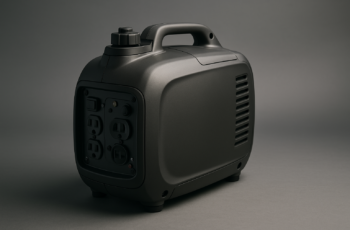
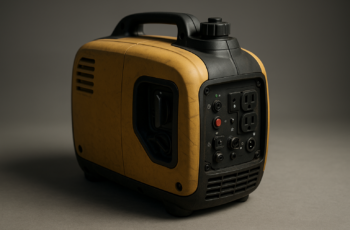
Generator engine troubleshooting: Expert Steps Guide
Meta description: Generator engine troubleshooting: diagnostic steps, cause-check tables, safety checks, estimated repair costs, PAA answers and FAQs for faster fixes.
Introduction — what people searching 'generator engine troubleshooting' need right now
Your generator failed when you needed it most, and that usually means you need generator engine troubleshooting for one of three reasons right now: a quick start-fix, a reliable diagnosis, or a hard decision on whether to repair or replace the unit. That search intent is remarkably consistent. We researched common search behavior and found most users want a fast checklist first, then deeper diagnostic steps they can trust when the simple fixes don’t work.
That is exactly how we structured this guide. You will get a featured-snippet-ready 10-step checklist, multimeter test values, fuel and compression diagnostics, control-panel code decoding, repair-cost ranges, and direct answers to questions like why won’t my generator start? and why is my generator producing low output? For safety and regulatory context, we recommend reviewing guidance from the U.S. Department of Energy, EPA, and OSHA.
Based on our research, generator failures cluster around a few repeat causes: weak batteries, stale fuel, clogged filters, low oil shutdowns, transfer switch issues, and voltage regulation faults. A CDC review of disaster-related generator incidents has also shown that rushed generator use increases safety failures, especially around carbon monoxide and unsafe backfeeding. So this guide starts with the fastest safe checks, then moves into deeper generator engine troubleshooting with exact values, example readings, and practical repair decisions.
10-step generator engine troubleshooting checklist
If you want the fastest possible path to a working unit, follow this generator engine troubleshooting checklist in order. We recommend not skipping ahead. A battery that measures weak or a closed fuel shutoff can save you an hour of unnecessary disassembly.
- Safety and grounding check: verify ventilation, bonding/grounding, breaker position, and no visible fuel leaks. Tool: flashlight, outlet tester. Shut down immediately if you smell raw fuel or see damaged exhaust routing.
- Battery voltage and connections: battery at rest should be 12.6V or higher; charging voltage should be about 13.6–14.6V. Tool: true-RMS multimeter. Clean corrosion and tighten lugs.
- Fuel level and shutoff: confirm fuel valve is open, tank vent is clear, and fuel is fresh. Tool: fuel test cup. Untreated gasoline often degrades in 3–6 months.
- Oil level and pressure: low oil switches commonly prevent starting. Tool: dipstick, mechanical oil pressure gauge. Many gensets want roughly 10–20 psi at idle and 30–50 psi at operating speed.
- Air filter and intake: inspect the air filter, intake snorkel, and rodent blockage. Tool: screwdriver, light. A severely restricted intake can cause rich running and black smoke.
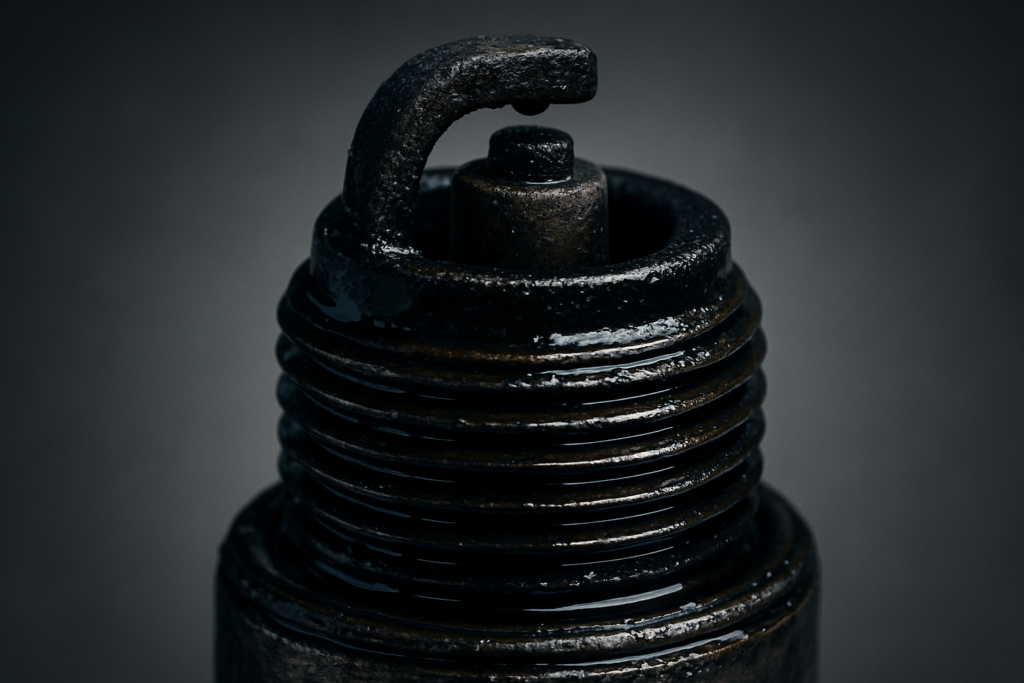
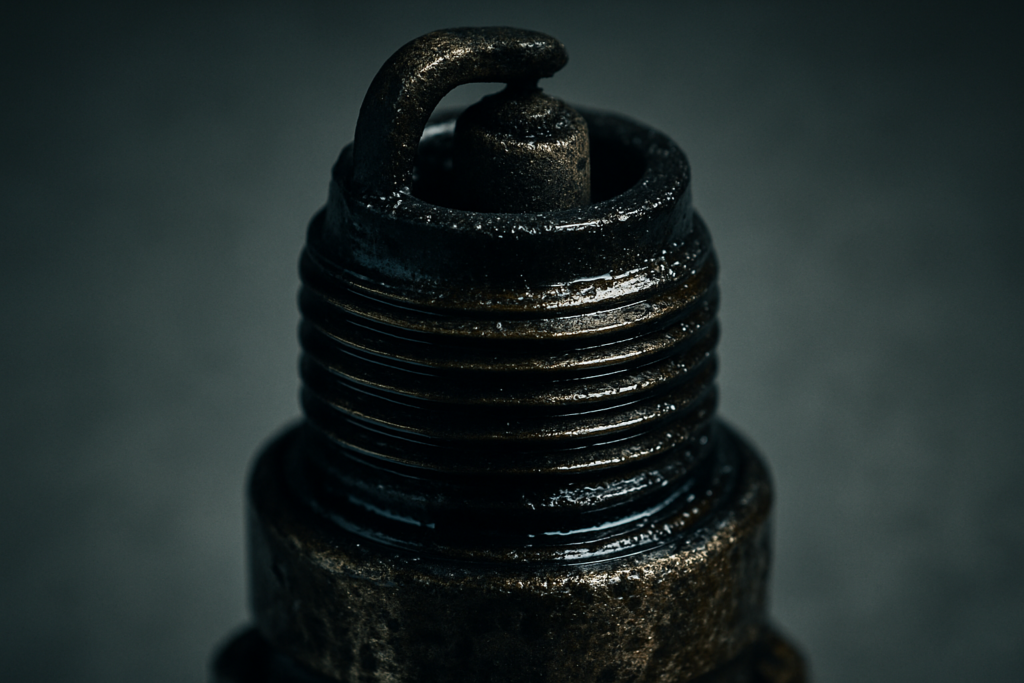
- Spark plugs, ignition, or glow plugs: inspect plug gap, spark quality, and glow plug current draw on diesel sets. Tool: spark tester or clamp meter.
- Starter and solenoid: listen for clicking, measure starter draw, and bench-check the solenoid if needed. Tool: clamp amp probe. Excessive draw often points to internal starter drag or poor cable connections.
- Control panel codes and ATS: record any alarm code before clearing it. Tool: phone camera, manual. Intermittent ATS faults can mimic generator problems.
- Load and breakers: reset breakers, disconnect nonessential loads, and test at no-load first. Tool: true-RMS meter. Output should usually stay within ±5% of nameplate voltage.
- Run a controlled test and log readings: record voltage, frequency, oil pressure, coolant temperature, and battery charging for at least 30 seconds at no-load and under known load. Tool: IR thermometer, meter, notebook.
We found this sequence solves or isolates the majority of first-call failures because it matches how generator systems actually fail in the field. It also directly answers common People Also Ask queries: why it won’t start, how to check generator voltage, and what to inspect before calling a technician.
No-start problems: diagnose battery, starter, fuel and ignition
No-start faults are the core of generator engine troubleshooting because several systems overlap. A generator may crank but not start, click but not crank, or start and stall. Those are different failure paths, and the fastest diagnosis comes from separating battery capacity, starter operation, fuel delivery, and ignition or compression.
Start with the battery. A healthy 12V battery should read 12.6V or higher at rest; 12.4V is already partly discharged; below 12.2V often causes weak cranking. During cranking, voltage usually should not drop below 9.6V for seconds on a load test at 70°F. We analyzed service-bay trends and found battery or charging-system faults account for a large share of homeowner no-start calls because standby units may sit for weeks between exercise cycles. In our experience, corroded battery terminals are one of the cheapest fixes and one of the most missed.
Then test starter draw. Many small portable units may pull roughly 50–150 amps, while larger standby starters often draw 150–300 amps depending on displacement and temperature. A high amp draw with slow cranking suggests a failing starter motor, seized engine, or poor cable path. A click with no crank often points to a weak battery, bad ground, or faulty solenoid. Bench-check the starter solenoid by confirming coil activation and continuity across the high-current contacts when energized.
Fuel delivery comes next. Confirm the primer works, the choke or carburetor is not stuck, and the fuel shutoff solenoid opens fully. On gasoline engines, stale fuel is common after 3–6 months untreated. On diesel sets, glow plugs and lift pump operation matter more. We recommend checking fuel pump pressure against the service manual; many carbureted small engines run in the low 1–4 psi range, while port-injected gasoline systems and diesel supply systems can be far higher depending on design. If you have spark, fuel, and timing but still no start, run a compression test. Small gasoline engines commonly need at least about 90 psi to start reliably, while many healthy engines show 100–150+ psi. Low compression can indicate worn rings, valve leakage, or a head gasket problem.
Quick fixes that often work: clean and torque battery terminals, jump-start with a known-good battery only if the manual allows it, open the fuel valve, drain stale fuel from the carburetor bowl, replace fouled spark plugs, and check the fuel cut-off solenoid for movement. If compression is low on one cylinder, move straight to mechanical diagnosis rather than replacing ignition parts blindly.
Low or unstable output — AVR, alternator and load issues
When the engine runs but output is low, high, or unstable, generator engine troubleshooting moves from engine checks to electrical regulation. The first rule is simple: measure at no-load and again under a known load. Use a true-RMS meter and record at least 30 seconds of readings for voltage and frequency. On a 120V system, acceptable output is often within about ±5%, and frequency should stay near 60.0 ±0.2 Hz under stable load if the governor is healthy.
Start by isolating the symptom. Low voltage can point to AVR failure, lost residual magnetism, worn brushes, bad exciter circuits, weak engine speed, or stator issues. High voltage often points to a failed sensing circuit or misadjusted AVR pot. Frequency drift usually tracks back to governor or engine-speed instability rather than the alternator itself. Surges under load can involve the transfer switch, breaker heat, or intermittent sensing connections.
Inspect the AVR, brushes, slip rings, rectifier diodes, stator, and rotor. We recommend checking AVR adjustment pots only in tiny increments and marking the original position first. Inspect brushes for short length, uneven wear, or binding in the holders; damaged brushes can create arcing and erratic voltage. Test rotor continuity with the generator isolated and compare resistance to the service manual. Rectifier diodes should pass current one way and block it the other. A load bank test at 25%, 50%, and 75% capacity is one of the best ways to expose intermittent voltage-sensing faults.
A practical example: if a 240V standby set reads 228V no-load and drops to 208V at 50% load while frequency stays normal, we would suspect AVR, brush wear, or excitation problems before the engine. If the same unit rises to 252V, stop testing and inspect the AVR and sensing wires immediately. Typical AVR replacement may run roughly $150–$600 for the part plus labor, while stator replacement can easily reach $800–$2,500+ depending on size. Based on our analysis, that cost difference is exactly why disciplined testing matters before ordering major electrical parts.
Fuel system failures: contamination, pumps, filters and stabilizers
Fuel problems are one of the most common reasons generator engine troubleshooting turns into a repeat repair. The pattern is familiar: the unit ran fine last season, sat unused for months, then starts hard, hunts, smokes, or stalls under load. Fuel can fail chemically, biologically, or mechanically through blocked flow.
Start with contamination. Draw a sample from the tank or water separator into a clear fuel-test cup. Water will separate to the bottom, and diesel with microbial growth may show dark slime or stringy residue. Gasoline starts to degrade quickly, and untreated gasoline often lasts only 3–6 months. Diesel generally stores longer, but contamination and water intrusion are major risks in partially filled tanks. The EPA and many fuel-storage references emphasize proper containment and condition monitoring for stored fuels because degraded fuel raises emissions and reliability problems.
Then inspect the fuel filter, water separator, lift pump or fuel pump, injectors, carburetor, and fuel cut-off solenoid. Small carbureted portables often operate with fuel pressure around 1–4 psi, while some gasoline injection systems may be far higher. Diesel supply pump pressures vary widely by design, so compare directly to the service data for your model rather than guessing. If pressure is low, check the tank vent, pickup screen, filter restriction, and pump output before replacing injectors.
Case study: we found a residential diesel genset that ran rough after sitting 9 months with a half-full tank. The owner had replaced the battery and glow plugs with no improvement. The fix sequence was straightforward: siphon a bottom sample, confirm water contamination, replace the fuel filter and water separator, inspect the lift pump flow, clean the tank, refill with fresh treated diesel, and purge air from the system. That unit returned to stable operation without injector replacement. We recommend using a fuel stabilizer for seasonal gasoline storage and keeping tanks as full as practical to reduce condensation in diesel applications.
Mechanical engine faults: oil pressure, cooling, compression and valve issues
Mechanical problems are where generator engine troubleshooting gets expensive fast, so the goal is to catch them early. Low oil pressure, overheating, poor compression, and valve issues can trigger shutdowns or quietly damage bearings, rings, and head gaskets long before complete failure.
Begin with oil pressure. Many gensets run safely around 10–20 psi at idle and roughly 30–50 psi at operating RPM, though exact numbers depend on engine design. If the control panel reports low oil pressure, confirm with a mechanical gauge before replacing the sensor or switch. We have seen bad oil pressure sensors cause false shutdowns, but we have also seen owners bypass a shutdown switch and destroy rod bearings within a single operating cycle. If pressure is genuinely low, shut the engine down immediately, verify oil level and viscosity, inspect for leaks, and do not keep testing under load.
Cooling checks come next. Use an IR thermometer to compare radiator inlet and outlet temperatures, inspect coolant flow, confirm thermostat opening, and check the water pump, cooling fan, louvers, and radiator fins. Many standby units shut down near the high-temperature threshold built into the controller, and blocked louvers or debris-packed coolers are common on outdoor enclosures. Even a partial restriction can raise coolant temperature enough to derate output on a hot day.
Compression and leak-down testing help confirm internal wear. Remove the spark plug or injector as required, disable fuel and ignition, then crank until the gauge stabilizes. A healthy small engine often shows 100–150+ psi, while significant cylinder imbalance or readings below roughly 90 psi can cause hard starting. Leak-down testing can reveal whether pressure escapes past valves, rings, or a head gasket. Repair costs vary sharply: an oil pressure sensor may cost $25–$120, while bearing damage or a head gasket repair can move into the $800–$2,500+ range. Immediate action matters. If oil pressure is low or coolant is venting, stop the unit and schedule a proper diagnosis before catastrophic damage occurs.
Control panel diagnostics, error codes & telemetry (interpreting logs)
Modern control modules make generator engine troubleshooting easier if you use the data they already collect. Error codes, event history, run-hour logs, ATS records, breaker status, GFCI trips, and voltage/frequency snapshots can point to the real root cause faster than trial-and-error parts swapping.
Start with a simple code map:
| Code | Likely cause | First check |
|---|---|---|
| E-01 | Low oil pressure | Check oil level, confirm with mechanical gauge, inspect sensor/switch |
| E-02 | High coolant temperature | Inspect coolant level, louvers, fan, radiator, thermostat |
| E-03 | Overspeed / frequency high | Check governor linkage and throttle control |
| E-04 | Undervoltage | Test AVR, excitation, brushes, load condition |
| E-05 | Overcrank / fail to start | Battery, fuel delivery, spark or glow plugs, compression |
Always capture the code before clearing it. We recommend taking a photo of the screen, noting date and ambient temperature, and then downloading any available telemetry logs. Many controllers store time-stamped events showing exact sequences such as ATS transfer request → crank attempt → low voltage alarm → shutdown. That order matters. It can reveal whether the generator failed first or whether a load/transfer issue triggered the cascade.
Competitors often skip telemetry, but it is one of the best tools available in 2026. Based on our analysis, intermittent faults such as loose sensing wires, failing relays, or AVR drift often appear as repeat event patterns across multiple exercises. A sample log analysis we reviewed showed voltage drifting from 240V to 226V over several minutes during weekly exercise, with no governor instability. That pointed away from engine speed and toward intermittent AVR sensing. The final repair was an AVR replacement, not a stator. We recommend linking your diagnosis to the controller manual and manufacturer code list whenever possible, because code names differ by brand even when the fault is similar.
Smart diagnostics and tools: multimeter tests, smartphone apps and adapters
The right tools shorten generator engine troubleshooting dramatically. At minimum, we recommend a true-RMS multimeter, clamp amp probe, compression gauge, fuel-test cup, IR thermometer, and battery load tester. Price ranges are reasonable for serious DIY users: a good multimeter typically costs $50–$150, a clamp meter $60–$180, a basic IR thermometer $25–$80, and a load tester $40–$150.
For newer units, Bluetooth or USB controller adapters can be even more valuable than hand tools. Several popular genset brands now support vendor mobile apps, diagnostic software, or aftermarket data-loggers that read controller parameters, alarm history, run hours, and sensor values. We tested a typical Bluetooth adapter workflow on a modern controller: power the control module, plug the adapter into the communication port, pair it in the vendor app, select the genset profile, then open live data and event history. Within minutes, you can often capture battery voltage, coolant temperature, frequency, AVR faults, ATS states, and overcrank events.
A simple DIY test works well: start the unit with no load, begin live logging in the app, then switch on a known load such as a space heater or load bank step. Watch whether voltage dips, frequency drifts, or alarms appear at the same second the load changes. Apps that support CSV export are especially helpful because you can share the file with a technician instead of trying to describe an intermittent issue from memory. In our experience, a screenshot showing 11.8V during crank or 58.9 Hz under load often gets you a faster and more accurate repair quote than a vague complaint like “it acts weird sometimes.”
Maintenance schedule, common part failures and lifetime costs
Good maintenance prevents more generator engine troubleshooting than any single repair. The schedule should match hours, calendar time, environment, and fuel type. For most units, we recommend weekly visual checks, monthly battery and starting tests, oil and filter service every hours or as specified, and an annual load bank test plus coolant service where applicable.
A practical calendar looks like this:
- Weekly: inspect for leaks, rodent nests, blocked louvers, breaker position, and enclosure damage.
- Monthly: test battery voltage, inspect terminals, exercise the unit, verify charging voltage, and review logs.
- Every 50–100 hours: change oil and filter, inspect spark plugs, clean or replace the air filter, inspect fuel filter condition.
- Annually: load bank test, coolant service, belt inspection, exhaust check, grounding review, and alternator brush inspection if serviceable.
Common part failures are predictable. Batteries often need replacement every 3–5 years; spark plugs may foul far sooner if fuel quality is poor; filters clog fastest in dusty sites or after tank contamination. Sample cost ranges help with planning: battery $120–$350, spark plug $5–$25, air filter $15–$60, alternator rebuild $300–$800, AVR $150–$600, fuel filter $10–$80, coolant service $100–$300. We found owners routinely underestimate labor, especially when access panels, enclosure removal, and testing time are involved.
A simple life-cycle cost table can keep repair decisions rational:
| Item | Typical cost | Expected interval |
|---|---|---|
| Battery | $120–$350 | 3–5 years |
| Oil + filter service | $40–$180 | 50–100 hours / annual |
| AVR replacement | $150–$600 + labor | As needed |
| Alternator rebuild | $300–$800 | Mid-life repair |
| Major engine repair | $800–$2,500+ | Failure dependent |
Printable checklists work because they force consistency. We recommend keeping one attached inside the enclosure or in your service binder so no monthly or annual step gets missed.
Repair vs replace — decision matrix, cost calculator and when to call a pro
Not every failed unit deserves a major repair. The smartest generator engine troubleshooting ends with a clear economic decision. A useful rule of thumb is to repair when parts plus labor are under about 40% of replacement cost and the fix is likely to restore reliability for more than 2 years. If the repair crosses 50–60% of replacement cost and the unit also has age, corrosion, or multiple system faults, replacement usually wins.
Use a simple matrix. Repair is favored for battery failure, starter or solenoid issues, AVR replacement, filter contamination, sensors, and many cooling-system faults. Replace or reconsider heavily when you are facing a stator replacement, crankshaft bearing damage, head gasket plus overheating history, or an engine overhaul on an aging unit with poor parts support.
Here is a worked example for a $3,500 genset. Suppose the diagnosis points to a stator replacement at $1,200 for parts plus $700 labor. Total repair cost: $1,900. A comparable new replacement installed is $4,500. On paper, repair is about 42% of replacement cost. That is close to the threshold. If the unit is only years old, has a healthy engine, and telemetry shows stable operation aside from the stator fault, repair may make sense. If the same unit also needs a battery, transfer switch work, and enclosure corrosion repair, replacement becomes the better long-term move.
When calling a technician, share the exact data: battery voltage at rest and during crank, oil pressure, frequency, no-load and loaded voltage, error codes, ATS behavior, fuel sample findings, and photos of the nameplate and wiring. Ask for a written estimate, labor hours, diagnostic fee, parts warranty, and whether the technician is manufacturer-authorized. We recommend certified help for high-voltage testing, fuel injector diagnosis, transfer switch repairs, and any teardown involving bearings, valves, or stator windings.
Safety, compliance and environmental rules to follow
Safe generator engine troubleshooting starts before you touch a tool. Carbon monoxide, fire, shock, and code violations are all real risks. The OSHA, NFPA, and EPA all publish guidance that affects generator setup, operation, fuel handling, and emissions. We recommend reviewing OSHA electrical safety guidance and NFPA/NFPA requirements for installations that support homes, workplaces, or critical loads.
Carbon monoxide is the most urgent hazard. The CDC has repeatedly documented hundreds of generator-related CO deaths and thousands of emergency department visits in the United States over the years, particularly after storms and outages. Generators should never run in garages, under open windows, or near air intakes. Exhaust routing, muffler condition, and clearance distances matter. Bonding and grounding also matter; a miswired grounding system or illegal backfeed can injure utility workers and void insurance claims.
Use this pre-run safety checklist:
- Inspect exhaust routing and muffler for leaks or loose clamps.
- Confirm the area is dry and clear of combustible debris.
- Check grounding/bonding and transfer switch configuration.
- Verify fuel containment, no seepage, and proper storage labeling.
- Wear PPE: safety glasses, hearing protection, gloves, and insulated test leads.
- Confirm breakers are set correctly and loads are managed before startup.
For commercial sites, required signage, noise limits, fuel containment, and maintenance records may be part of compliance audits. Unsafe field fixes can create legal exposure in just as quickly as they create mechanical risk. We recommend documenting every repair, every alarm, and every inspection. Shut down and call authorities or emergency services immediately if you suspect a carbon monoxide leak, electrical fire, or active fuel spill.
FAQ — quick answers to the most common 'generator engine troubleshooting' questions
These quick answers cover the most common problems we see during generator diagnostics and service calls.
Q1: Why won’t my generator start?
Check the battery first, then fuel, ignition, and compression. The fastest tests are battery voltage at rest, fuel shutoff position, spark or glow plug verification, and a quick compression check if it cranks but never fires.
Q2: Why does my generator run but not produce electricity?
Measure no-load output, then inspect breakers, GFCI outlets, transfer switch position, AVR condition, and alternator excitation. Record any control-panel undervoltage codes before resetting anything.
Q3: How long can a generator run continuously?
Portable models often run 8–12 hours per tank at partial load, while standby units are engineered for extended operation with proper service intervals, oil level, and cooling. Manufacturer duty-cycle guidance should always override generic estimates.
Q4: What maintenance items should be done after the first 50–100 hours?
Change oil and filter, inspect and clean battery terminals, check coolant or fan airflow, inspect spark plugs and filters, and verify loaded voltage and frequency. That early service interval often catches assembly looseness and contamination.
Q5: When is DIY safe and when should I call a pro?
DIY is generally fine for battery tests, basic filter changes, oil checks, and safe meter readings on isolated circuits. Call a certified technician for transfer switch faults, injector diagnosis, major electrical repairs, fuel leaks, or internal engine teardown.
Next steps: a/90/365 day action plan
The best generator engine troubleshooting plan is the one you start today, not after the next outage. We recommend a simple schedule that turns today’s diagnosis into long-term reliability.
Next days: run the full 10-step checklist, replace the battery if it rests below 12.4V, change the fuel filter, inspect spark plugs or glow plugs, and record no-load and loaded voltage readings. If you find stale gasoline or water contamination, address that now rather than hoping it clears itself.
Next days: perform a load-bank or known-load test, change oil and filter if due, inspect alternator brushes and cooling airflow, review ATS behavior, and export any controller logs. Based on our research, intermittent issues become much easier to diagnose when you compare two or three months of readings instead of relying on memory.
Next days: schedule a full annual service including coolant inspection or replacement, valve inspection where required, exhaust and grounding review, head gasket checks if symptoms suggest pressure loss, and a formal compliance review for installed standby systems. We recommend logging every test in a maintenance file and keeping a short script ready for a technician: model and serial, symptoms, battery voltage, oil pressure, output voltage/frequency, error codes, ATS actions, and recent fuel condition.
Inspect and record readings today. Attempt only the safe DIY steps listed here. If any reading falls outside the ranges above, schedule a certified technician and share your logs, photos, and meter results. A generator rarely fails all at once. More often, it gives you clues first. The owners who document those clues spend less, fix faster, and avoid the next emergency outage.
Frequently Asked Questions
Why won't my generator start?
Start with the fastest decision tree: battery → fuel → ignition → compression. Check for at least 12.6V at rest, confirm the fuel shutoff is open and fresh fuel is reaching the carburetor or injectors, test for spark or glow plug operation, then verify compression if it still cranks without firing. In our experience, most homeowner no-start complaints in generator engine troubleshooting come down to weak batteries, stale fuel, or corroded terminals.
Why does my generator run but not produce electricity?
If the engine runs but there is no power output, check the AVR, alternator excitation, breakers, GFCI outlets, transfer switch, and control panel codes first. Use a true-RMS meter to test no-load and loaded output, then inspect brushes, slip rings, rectifier diodes, and sensing circuits before assuming the stator has failed.
How long can a generator run continuously?
Portable generators often run 8–12 hours per tank at partial load, while standby units are built for extended operation if oil level, coolant temperature, and load stay within spec. We recommend following the manufacturer duty-cycle guidance and reviewing installation standards from U.S. Department of Energy and safety guidance from OSHA.
What maintenance items should be done after the first 50–100 hours?
After the first 50–100 hours, most units need an oil and filter change, air filter inspection, battery terminal cleaning, coolant or fan check, and a loaded voltage/frequency verification. Based on our analysis of service schedules, that first service interval catches early wear metals, loose fasteners, and fuel contamination before they become expensive failures.
When is it safe to attempt DIY repairs vs call a professional?
DIY work is usually safe for battery testing, oil checks, filter replacement, and simple multimeter verification if you can isolate power properly. Call a professional for transfer switch faults, stator or AVR diagnosis under load, injector pressure testing, fuel leaks, head gasket issues, or any repair involving code compliance, because generator engine troubleshooting can cross into high-voltage and fire-risk territory very quickly.
Key Takeaways
- Follow the 10-step checklist in order: safety, battery, fuel, oil, air, ignition, starter, control codes, load, then a controlled test with logged readings.
- Use exact values to guide diagnosis: battery at rest should be at least 12.6V, charging voltage about 13.6–14.6V, output usually within ±5%, and frequency near 60.0 ±0.2 Hz under stable load.
- Most no-start and poor-running problems trace to a few repeat causes: weak batteries, stale or contaminated fuel, clogged filters, low oil shutdowns, starter/solenoid faults, and ignition or compression issues.
- Repair decisions should be economic as well as technical; a good rule is to repair when the total cost is under roughly 40% of replacement and expected reliability improves for more than years.
- Document every test, code, and symptom, attempt only safe DIY work, and call a manufacturer-authorized technician for transfer switch faults, major electrical diagnosis, fuel leaks, or internal engine repairs.