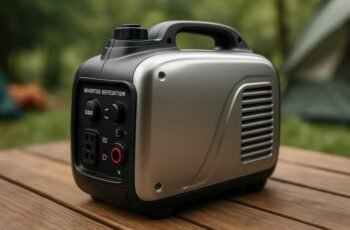
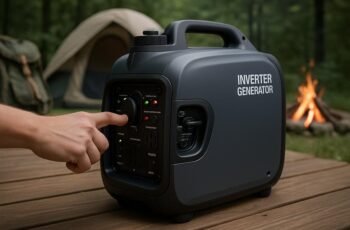
Did you know inverter generators can reduce harmonic distortion by up to 90% compared to conventional models? This significant improvement means they deliver cleaner, more stable power, vital for sensitive electronics. But their advantages don’t stop at power quality. By adjusting engine speeds dynamically, they also achieve better fuel efficiency and operate more quietly. Let’s explore how these features set inverter generators apart and why they matter in various applications.
Key Takeaways
- Inverter generators convert mechanical energy into clean, stable AC power with minimal harmonic distortion, ideal for sensitive electronics.
- They use variable engine speed technology, adjusting RPM based on load for improved fuel efficiency and reduced emissions.
- Advanced noise dampening materials and optimized designs make inverter generators significantly quieter than conventional models.
- Compact, lightweight, and featuring ergonomic handles, inverter generators offer superior portability compared to traditional generators.
- They maintain consistent voltage and frequency, preventing power surges and ensuring safe operation for delicate devices.
How Inverter Generators Produce Cleaner, Stable Power
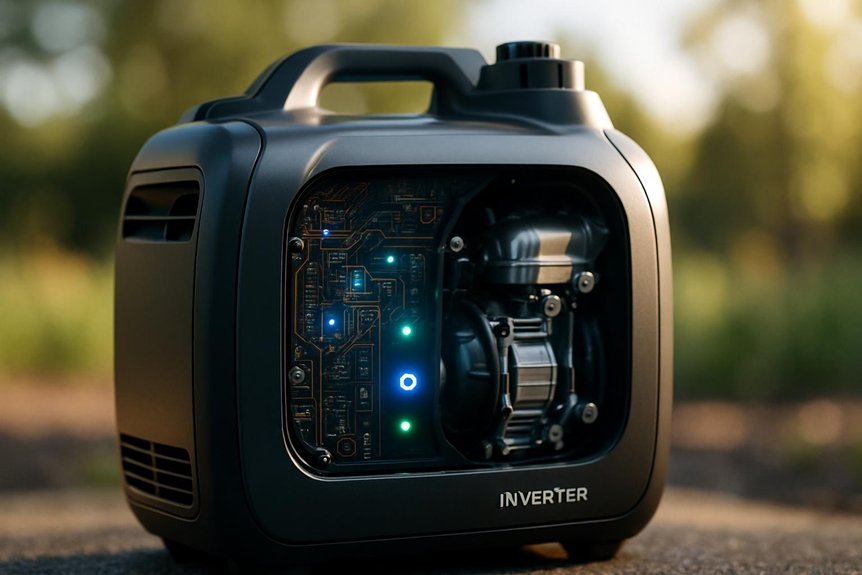
Although traditional generators produce power by directly converting mechanical energy into electricity, inverter generators use a more sophisticated process that results in cleaner, more stable power output. We first see mechanical energy converted into AC power, which is then rectified into DC power. This DC power passes through an inverter module, which precisely synthesizes a stable AC output with consistent voltage and frequency. This multi-stage conversion allows inverter generators to actively regulate power quality, minimizing harmonic distortion and voltage fluctuations common in conventional models. Consequently, the clean power produced is ideal for sensitive electronic devices, reducing the risk of damage. By maintaining a stable output regardless of load variations, inverter generators deliver efficient, reliable energy that meets modern electrical demands with superior performance.
Why Inverter Generators Run Quieter Than Traditional Models
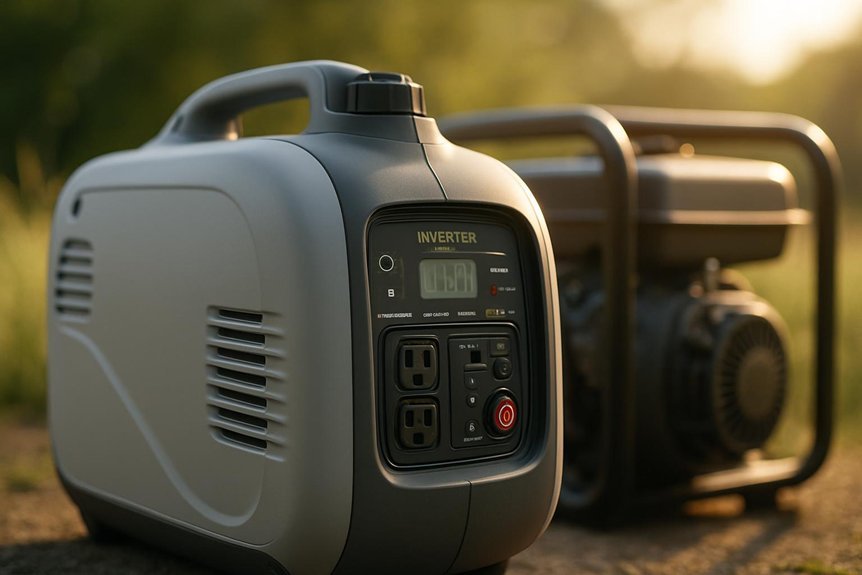
Let’s examine how inverter generators achieve lower noise levels through variable engine speed technology, which adjusts RPM based on load demands. Coupled with advanced noise reduction design features, these generators minimize sound output without sacrificing performance. Additionally, optimized power output control guarantees efficient operation, further reducing unnecessary engine strain and noise.
Variable Engine Speed Technology
Because inverter generators adjust their engine speed based on the power demand, they operate more efficiently and produce less noise compared to traditional models running at constant RPMs. This variable speed capability enhances engine efficiency by matching output to load requirements, avoiding unnecessary fuel consumption and mechanical stress. We see three key benefits:
- Optimized Fuel Use: The engine runs slower during low demand, conserving fuel and reducing emissions.
- Reduced Mechanical Noise: Lower engine speeds generate less vibration and sound, contributing to quieter operation.
- Improved Component Longevity: Variable speed operation minimizes wear by preventing constant high RPM stress on engine parts.
This precise control over engine speed is fundamental to inverter generators’ superior performance and quieter operation, distinguishing them from conventional fixed-speed generators.
Advanced Noise Reduction Design
Noise reduction in inverter generators stems from a combination of engineering innovations that go beyond variable engine speed. We utilize advanced noise dampening materials and precise acoustic engineering to minimize sound output effectively. These generators feature optimized enclosure designs that absorb and redirect noise, alongside strategically placed mufflers tailored for broad frequency attenuation. The result is a markedly quieter operation compared to traditional models.
| Noise Reduction Feature | Function |
|---|---|
| Acoustic Enclosure | Absorbs and contains noise |
| Multi-layer Mufflers | Attenuate varying sound ranges |
| Vibration Dampeners | Reduce mechanical noise |
| Sound-absorbing Foam | Enhances noise dampening |
Together, these elements create a quieter, more user-friendly generator without sacrificing performance.
Optimized Power Output Control
Beyond material and structural noise reduction, the quieter operation of inverter generators largely results from optimized power output control. This optimization hinges on precise power regulation and dynamic load management, allowing the engine to operate efficiently at variable speeds rather than a constant high RPM. This approach reduces mechanical noise and fuel consumption simultaneously. Specifically, inverter generators achieve this through:
- Adaptive Engine Speed: The engine adjusts its speed based on real-time power demand, minimizing unnecessary noise.
- Load-Sensing Algorithms: Sophisticated sensors continuously assess electrical load fluctuations to optimize fuel injection and engine response.
- Stable Frequency Output: The inverter electronics maintain a consistent frequency, preventing engine overspeed and associated noise spikes.
Together, these mechanisms enable inverter generators to run considerably quieter than traditional models without sacrificing performance.
How Engine Speed Adjustments Boost Fuel Efficiency
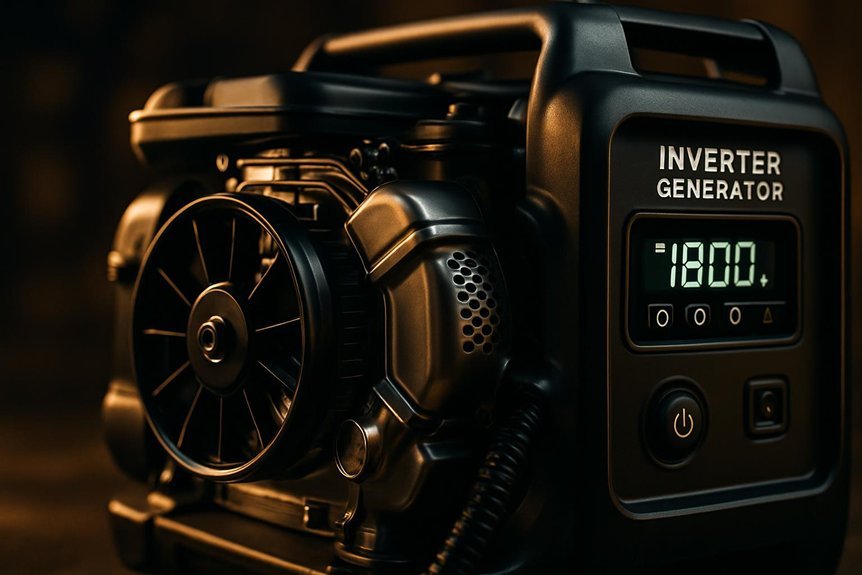
When we adjust the engine speed of an inverter generator to match the electrical load, we greatly enhance fuel efficiency. Unlike conventional generators that run at a constant speed regardless of demand, inverter generators dynamically modulate engine RPM. This modulation reduces fuel consumption by preventing the engine from operating at full throttle unnecessarily. By aligning engine speed with real-time power requirements, we optimize engine efficiency, minimizing wasted energy. This variable speed operation guarantees combustion processes occur under ideal conditions, improving thermal efficiency and reducing emissions. Consequently, the generator consumes only the fuel necessary to meet the load, extending runtime per tank of fuel. Such precise control over engine speed fundamentally differentiates inverter generators, making them more economical and environmentally friendly compared to traditional fixed-speed models.
Benefits of Inverter Generators for Sensitive Electronics
Because inverter generators produce a stable and clean electrical output, we can safely power sensitive electronics without risking damage. This reliability is essential for sensitive devices that require strict power compatibility to function correctly. Here are three key benefits:
- Clean Sine Wave Output: Inverter generators produce electricity with minimal harmonic distortion, ensuring sensitive electronics receive power identical to utility sources.
- Consistent Voltage and Frequency: They maintain steady voltage and frequency levels, preventing surges or drops that can harm delicate components.
- Adaptive Engine Speed: By adjusting engine speed based on load, inverter generators reduce electrical noise and fluctuations, enhancing power quality for sensitive devices.
Together, these factors make inverter generators ideal for powering sensitive electronics safely and efficiently, unlike conventional generators with unstable outputs.
Comparing Size and Portability of Inverter vs. Conventional Generators
Let’s examine how inverter generators’ compact design enhances their portability compared to conventional units. Their reduced size and weight make transportation more efficient and less labor-intensive. Understanding these differences helps us evaluate which generator suits specific mobility needs.
Compact Design Benefits
Although both inverter and conventional generators provide reliable power solutions, their size and portability differ markedly, impacting usability in various settings. Inverter generators excel with a compact design that enhances storage and operational flexibility. Their use of lightweight materials contributes considerably to this advantage.
Key benefits include:
- Compact storage: Inverter generators occupy less space, allowing easier integration into limited storage areas.
- Lightweight materials: Advanced composites reduce overall weight without compromising durability or performance.
- Optimized form factor: Streamlined designs improve spatial efficiency, enabling use in confined environments.
Together, these elements make inverter generators more adaptable for applications demanding minimal footprint and quick deployment, setting them apart from bulkier conventional counterparts.
Ease of Transportation
Building on the compact design advantages of inverter generators, their ease of transportation further distinguishes them from conventional models. Thanks to lightweight construction and ergonomic handles, inverter generators offer superior portability. This makes them ideal for on-the-go use, unlike heavier conventional units that require additional effort or equipment to move.
| Feature | Inverter Generator | Conventional Generator |
|---|---|---|
| Weight (lbs) | 40–70 | 100–250 |
| Dimensions (inches) | 20 x 12 x 17 | 30 x 20 x 25 |
| Portability Features | Ergonomic handles, compact | Bulkier frame, no handles |
We can clearly see how design innovations in inverter generators prioritize ease of transport, increasing user convenience in diverse scenarios.
Common Uses Where Inverter Generators Outperform Others
When we compare inverter generators to conventional models, we find they excel in specific applications that demand clean, stable power and quiet operation. Their advanced electronics make them ideal for sensitive devices and environments where noise reduction is vital.
- Recreational Use: For camping power, RV travel, tailgating events, and outdoor activities, inverter generators provide reliable, quiet energy that won’t disturb surroundings or damage sensitive audio equipment.
- Emergency Backup and Home Use: Their stable output supports medical devices and essential home electronics during power outages, ensuring safety and continuous operation.
- Job Site Efficiency: At job sites, inverter generators power tools with consistent voltage, preventing equipment damage and enabling smoother performance compared to conventional generators.
In these scenarios, inverter generators outperform due to superior power quality, efficiency, and reduced noise levels.
What to Consider When Choosing an Inverter Generator?
How do we select the right inverter generator for our needs? First, we analyze the power rating to guarantee it supports our essential devices without overload. Noise levels matter too—lower decibels enhance comfort, especially in residential or camping settings. Next, we compare fuel types—gasoline, propane, or dual-fuel—considering availability and efficiency. Maintenance tips, such as oil change intervals and air filter care, influence long-term reliability. Conducting a brand comparison helps identify reputable manufacturers with solid warranty options, protecting our investment. User reviews offer practical insights on performance and durability. Finally, we weigh the price range against features and quality, balancing upfront cost with operational expenses. By methodically evaluating these factors, we can confidently choose an inverter generator tailored to our specific demands.
Frequently Asked Questions
How Do Inverter Generators Handle Maintenance and Repairs?
We handle inverter generator maintenance by scheduling regular oil changes and filter replacements to guarantee peak fuel efficiency and low noise levels. Repairs focus on electronic components, requiring precise diagnostics to maintain performance and reliability.
Are Inverter Generators More Expensive Upfront Than Traditional Ones?
Yes, inverter generators have higher upfront costs, higher upfront costs but offer better fuel efficiency and quieter operation. When we do a price comparison, their long-term savings often offset the initial price difference, making them cost-effective overall.
Can Inverter Generators Be Connected in Parallel for More Power?
Yes, we can connect inverter generators in parallel operation to increase power output. This setup allows us to combine the power of two units, providing greater efficiency and flexibility without sacrificing portability or fuel economy.
What Is the Typical Lifespan of an Inverter Generator?
Isn’t it ironic that despite their fuel efficiency and low noise levels, inverter generators typically last around 2,000 to 3,000 hours? We’ve found proper maintenance essential to maximizing their operational lifespan and performance.
How Do Inverter Generators Perform in Extreme Weather Conditions?
We find inverter generators maintain fuel efficiency and low noise levels even in extreme weather, thanks to advanced engine controls and cooling systems. This guarantees reliable performance and quieter operation, essential for demanding environments and extended use.
Conclusion
Inverter generators deliver up to 30% better fuel efficiency and produce power with less than 3% total harmonic distortion, ensuring safe operation for sensitive electronics. Their quieter operation and compact design make them indispensable for both recreational and professional use. As we’ve seen, these advanced features not only enhance performance but also reduce environmental impact. Choosing an inverter generator means investing in reliable, efficient power tailored to modern demands without compromise.