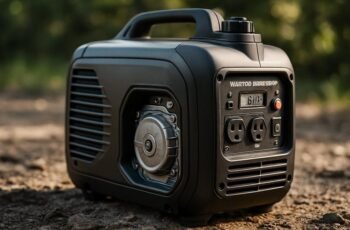
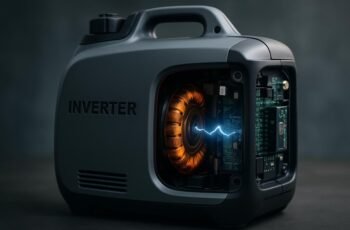
Did you know that over 60% of portable power users prioritize efficiency and noise reduction when choosing an inverter generator? As we evaluate these devices, understanding how power output aligns with our specific needs is essential. We also need to weigh factors like portability, fuel type, and maintenance to make an informed decision. With so many variables at play, determining the best fit for our applications requires careful analysis.
Key Takeaways
- Assess total power needs by summing starting and running wattages to select an appropriately rated inverter generator.
- Prioritize portability features like weight, handles, and wheels for easy transport and compact storage.
- Compare noise levels using decibel ratings, aiming for quieter models between 40 to 60 decibels.
- Choose fuel types based on efficiency, runtime, and maintenance preferences among gasoline, propane, and diesel options.
- Maintain generators regularly with oil changes, air filter inspections, and fuel stabilizers to ensure optimal performance and longevity.
How to Choose the Right Power Output for Your Needs
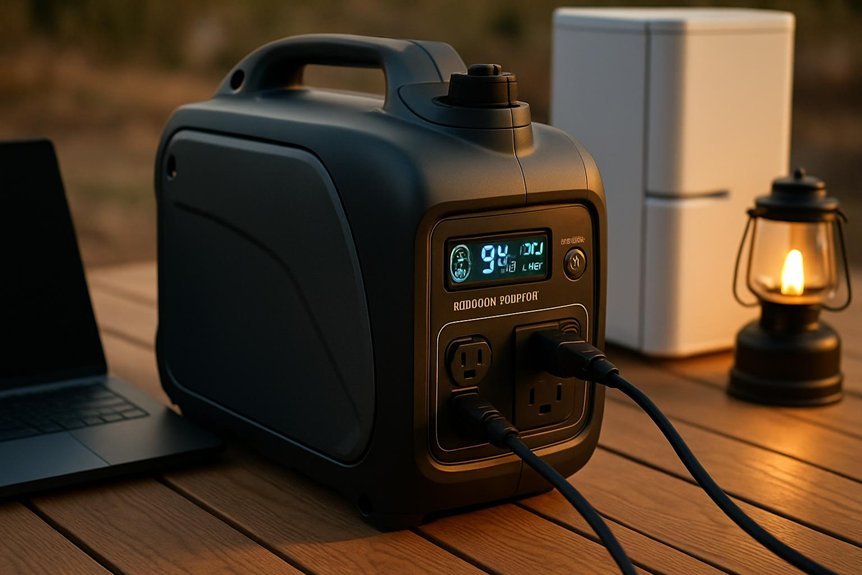
How do we determine the right power output for an inverter generator? We start by evaluating our total power requirements. This means listing every device we plan to run simultaneously and noting their starting and running wattages. These figures are critical because starting wattage can be considerably higher than running wattage for appliances with motors. To streamline this process, we can use a wattage calculator, which helps us sum these values accurately. Once we have the total wattage, we select an inverter generator with a continuous power rating that exceeds this number, ensuring a buffer for safety and efficiency. Choosing the correct power output prevents overloads and maximizes fuel efficiency, making our inverter generator both reliable and cost-effective for our specific energy demands.
Why Portability Matters in an Inverter Generator
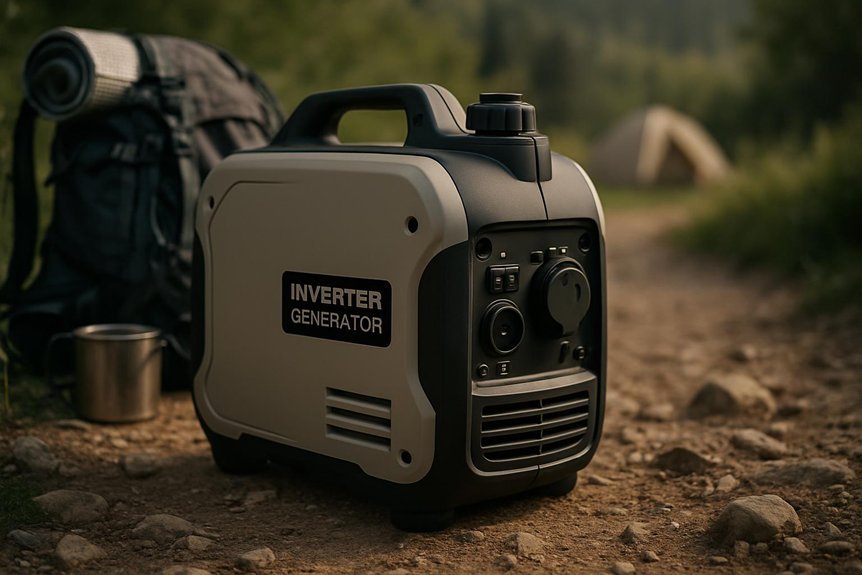
After determining the power output we need, the next factor to evaluate is portability. A portable design enhances user convenience by addressing weight considerations and facilitating easy transport. This is vital for outdoor activities and travel needs, where compact storage and space efficiency are priorities. Let’s analyze key portability aspects:
| Feature | Importance | Impact |
|---|---|---|
| Weight | Critical | Affects ease of lifting/moving |
| Size | Essential | Determines storage and space efficiency |
| Handles/Wheels | Important | Enhances easy transport |
Comparing Noise Levels: What to Expect From Inverter Generators
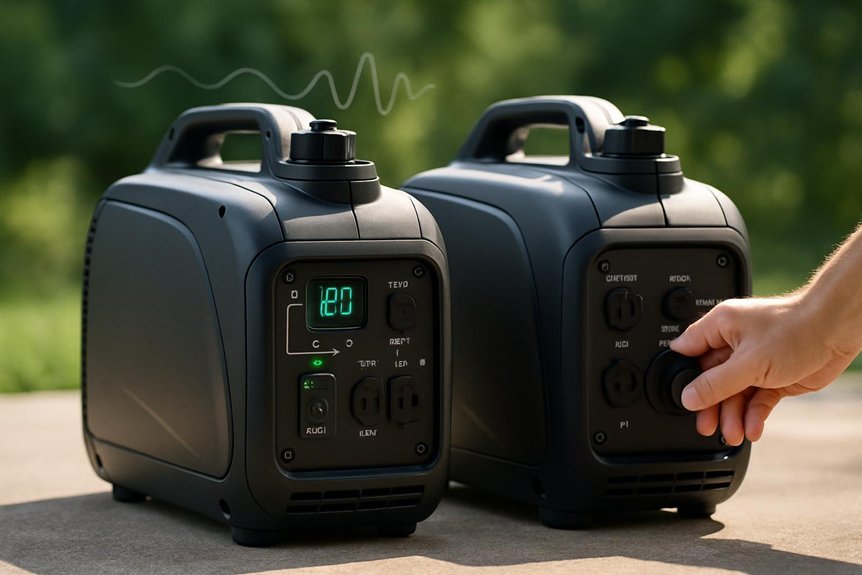
When evaluating inverter generators, where noise levels fall on the spectrum is a critical factor that often influences our choice. Understanding decibel ratings allows us to make informed sound comparisons among models. Most inverter generators operate between 40 to 60 decibels, roughly equivalent to a quiet conversation or background music. This range is considerably quieter than conventional generators, which often exceed 70 decibels. However, variations exist due to design elements like sound-dampening enclosures and engine speed control. Analyzing manufacturers’ decibel ratings measured at standardized distances helps us anticipate operational noise in real settings. By focusing on these technical metrics, we can select an inverter generator that balances performance with minimal acoustic disruption, ensuring suitability for sensitive environments such as camping sites or residential areas.
Fuel Types and Efficiency: What Powers Your Generator Best?
Which fuel type offers the best balance of efficiency and convenience for your inverter generator? Evaluating common fuel types—gasoline, propane, and diesel—helps clarify this. Gasoline offers high performance ratings and widespread availability but demands frequent maintenance due to volatility. Propane provides cleaner combustion, reducing environmental impact and extending engine life, though it may lower generator efficiency slightly. Diesel excels in fuel economy and power output, ideal for heavy usage scenarios, but often comes with higher upfront costs and emissions concerns. Cost comparisons reveal propane’s stable pricing contrasts with gasoline’s volatility. Understanding these power sources allows us to optimize generator efficiency according to your specific usage scenarios. Maintenance tips vary accordingly: gasoline engines require regular carburetor care, while propane and diesel units benefit from fuel system inspections to sustain peak performance.
Essential Features to Look for in an Inverter Generator
When choosing an inverter generator, we need to evaluate power output capacity to confirm it meets our specific energy demands. Noise level is another critical factor, as quieter operation enhances usability in various environments. Additionally, analyzing fuel efficiency helps us optimize runtime and reduce operational costs without compromising performance.
Power Output Capacity
Power output capacity determines an inverter generator’s ability to meet your energy demands efficiently. We must analyze wattage ratings—starting capacity (surge capacity) and continuous output—to match your power requirements accurately. Starting capacity handles initial surges from appliances like refrigerators, while continuous output supports steady operation. Effective load management guarantees ideal appliance compatibility, preventing overload. Different generator types offer varied power outputs, so understanding these specifications is critical for selecting the right model.
| Generator Type | Starting Capacity (Watts) | Continuous Output (Watts) |
|---|---|---|
| Portable | 2000 | 1600 |
| Dual Fuel | 3000 | 2700 |
| Solar Hybrid | 1500 | 1200 |
| Commercial Grade | 5000 | 4500 |
This table helps visualize power capabilities across types, aiding precise selection.
Noise Level Considerations
While understanding power output capacity guarantees we meet energy demands efficiently, managing noise levels directly impacts the generator’s usability in various environments. Evaluating noise level considerations requires analyzing the effectiveness of noise reduction technologies integrated into inverter generators. These technologies often include advanced mufflers and optimized engine designs that minimize operational sound. Additionally, soundproofing materials used within the generator housing play an essential role in dampening vibrations and airborne noise. By selecting models with high-quality soundproofing materials, we secure quieter operation, which is vital for residential areas, campsites, or events. It’s important to check the decibel ratings provided by manufacturers and compare them under similar load conditions. Prioritizing noise control features guarantees a generator that operates discreetly without compromising performance or user comfort.
Fuel Efficiency Benefits
Because fuel efficiency directly affects both operational costs and environmental impact, it’s crucial to evaluate this feature carefully when choosing an inverter generator. Inverter generators enhance fuel consumption by adjusting engine speed to match power demand, unlike conventional generators that run at constant RPM. This variable speed operation results in significant energy savings, especially during low-load conditions. When reviewing models, we should compare fuel consumption rates at various loads to identify the most efficient options. Additionally, advanced fuel injection and combustion technologies further reduce fuel use and emissions. Prioritizing fuel efficiency not only lowers ongoing expenses but also minimizes carbon footprint, making it a critical factor for sustainable and cost-effective power solutions. Ultimately, selecting an inverter generator with superior fuel efficiency guarantees peak performance and long-term value.
How to Match Your Budget With the Best Inverter Generator Options
Finding an inverter generator that fits our budget requires careful evaluation of key specifications such as wattage output, fuel efficiency, and noise levels. To identify budget-friendly options, we must prioritize models that deliver essential power without unnecessary extras. Cost-effective features, like eco-throttle systems and parallel capability, enhance value by improving fuel efficiency and flexibility. We should also consider the generator’s build quality and warranty terms to avoid future expenses. Comparing unit prices alongside performance metrics helps us balance upfront costs with long-term savings. By focusing on these technical criteria, we can select an inverter generator that aligns with our financial constraints while meeting operational demands efficiently and reliably. This analytical approach guarantees we optimize investment without compromising on critical functionality.
Understanding Runtime and Fuel Tank Capacity
After narrowing down our budget and power requirements, we need to evaluate how long an inverter generator can run on a full tank and how its fuel capacity influences operational efficiency. Conducting a thorough runtime analysis helps us understand the relationship between tank size and fuel consumption. Larger tanks generally extend runtime but may add weight and bulk, impacting portability. Efficiency comparison across models reveals how well each generator manages fuel under different loads. Effective power management optimizes fuel use, especially during load testing, where varying demands highlight consumption patterns. By analyzing these factors, we can select an inverter generator that balances tank size and fuel efficiency, ensuring continuous operation without unnecessary fuel waste or frequent refueling interruptions. This precision guides us toward an informed, practical choice.
Tips for Maintaining and Caring for Your Inverter Generator
While selecting the right inverter generator is essential, maintaining it properly guarantees long-term performance and reliability. Effective generator storage and routine maintenance are critical to prevent mechanical failures and guarantee consistent power output. We must focus on precise cleaning procedures, timely oil changes, and battery care to optimize functionality. Fuel stabilization and winterization techniques protect the engine when the generator isn’t in use for extended periods. Additionally, understanding basic troubleshooting tips helps us quickly resolve common operational issues.
Proper maintenance and storage ensure your inverter generator delivers reliable performance and longevity.
- Perform regular oil changes and inspect the air filter
- Use fuel stabilizers during long-term generator storage
- Clean cooling vents and components to prevent overheating
- Apply winterization techniques to avoid fuel and engine damage
Consistent maintenance strengthens reliability and maximizes the lifespan of our inverter generators.
Best Uses for Inverter Generators: Camping, Events, and Emergencies
Inverter generators deliver clean, stable power that suits a variety of applications where portability and quiet operation matter most. When considering camping essentials, they offer reliable energy for sensitive electronics without noise disruption. For event logistics, their compact design simplifies power management, ensuring seamless operation of audio and lighting systems. In emergency preparedness, inverter generators provide an essential, efficient energy source during outages.
| Use Case | Key Benefit | Power Consideration |
|---|---|---|
| Camping | Quiet, portable | Supports small appliances |
| Events | Stable, clean power | Handles audio/lighting gear |
| Emergencies | Reliable, efficient | Powers critical devices |
| General Power Management | Flexibility & control | Adapts to varying loads |
This versatility makes inverter generators indispensable across diverse power needs.
Frequently Asked Questions
Can Inverter Generators Safely Power Sensitive Electronics Like Laptops?
Yes, we can confidently say inverter generators provide excellent power stability, minimizing voltage fluctuations. This guarantees electronic safety for sensitive devices like laptops, protecting them from damage and performance issues caused by unstable power sources.
How Do Inverter Generators Differ From Conventional Generators Internally?
Unlike conventional generators that run at constant speeds, inverter generators adjust engine RPM for maximum generator efficiency. Internally, they use advanced electronic components to convert AC to stable DC, then invert it back to clean AC power.
Are Inverter Generators Eco-Friendly Compared to Traditional Models?
Yes, we find inverter generators offer significant emissions reduction and lower noise pollution compared to traditional models. Their advanced electronics optimize fuel use, making them a more eco-friendly choice for both the environment and nearby communities.
What Are Common Troubleshooting Steps for Inverter Generator Issues?
We check fuel type accuracy, inspect spark plugs, and clean air filters regularly. Following maintenance tips like oil changes and battery checks helps us prevent issues and guarantees our inverter generator runs efficiently and reliably.
Can Multiple Inverter Generators Be Connected to Increase Power Output?
We can connect multiple inverter generators through parallel operation, but we must guarantee generator compatibility, matching voltage, frequency, and phase. Doing so increases power output safely, efficiently, and reliably for higher-demand applications or extended run times.
Conclusion
Choosing the right inverter generator is like assembling a precision instrument—each component, from power output to fuel efficiency, must harmonize for peak performance. Just as a skilled conductor balances every note, we must evaluate portability, noise, and maintenance to create a seamless power solution. By carefully tuning these factors, we guarantee reliability and efficiency, empowering us to face camping trips, events, or emergencies with confidence and control. Let’s engineer our power needs thoughtfully and precisely.