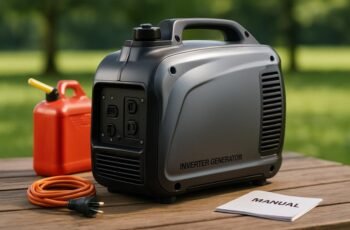
When we used an inverter generator during a recent camping trip, we noticed how quietly and efficiently it powered our sensitive devices without any flicker or interruption. Unlike traditional generators, inverter generators convert mechanical energy into stable, clean electricity through advanced electronics, ensuring consistent voltage and frequency. Understanding how this technology works and its advantages can help us decide if it’s the right solution for various power needs—especially when reliability and precision matter most.
Key Takeaways
- Inverter generators convert mechanical energy to stable AC power via electronic circuitry, ensuring clean and consistent electricity for sensitive devices.
- They produce low total harmonic distortion, maintaining steady voltage and frequency to protect electronics and improve efficiency.
- These generators operate quietly with optimized engine speeds, making them ideal for residential use, outdoor activities, and emergency backup.
- Fuel efficiency is enhanced by adjusting engine speed to load demand, lowering emissions and operational costs compared to traditional generators.
- Portable and compact, inverter generators suit diverse uses like camping, construction sites, and powering home appliances during outages.
What Is an Inverter Generator and How Does It Work?
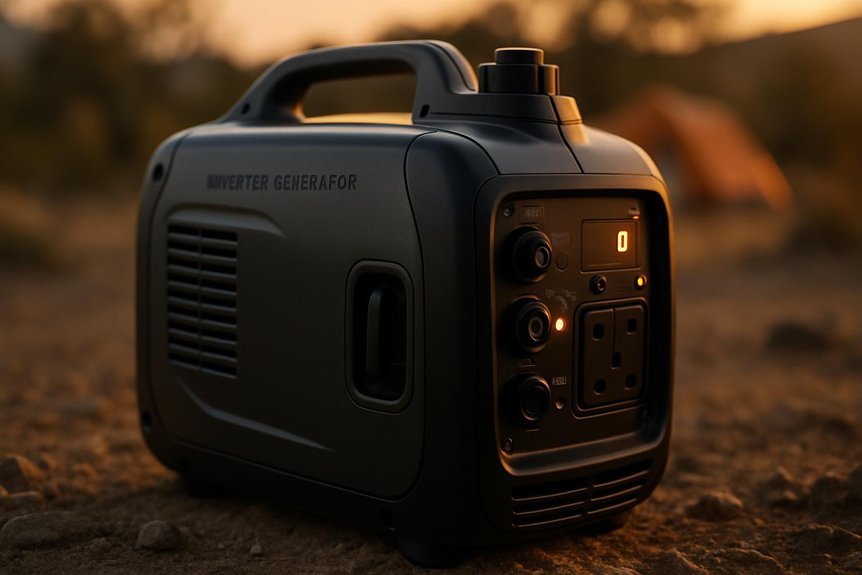
An inverter generator is a compact power device that converts mechanical energy into stable electrical energy through advanced electronic circuitry. Unlike conventional generators, inverter technology allows us to produce electricity by first generating AC power, converting it to DC, and then inverting it back to a clean, consistent AC output. This process guarantees voltage and frequency remain tightly controlled, which is essential for sensitive electronics. We find inverter generators highly versatile in various generator applications, from recreational use to emergency backup and remote work sites. Their compact design and efficient operation make them ideal where portability and fuel economy matter. Understanding this precise mechanism helps us appreciate why inverter generators outperform traditional models in delivering reliable, adaptable power for diverse needs.
How Inverter Generators Produce Cleaner, Stable Power
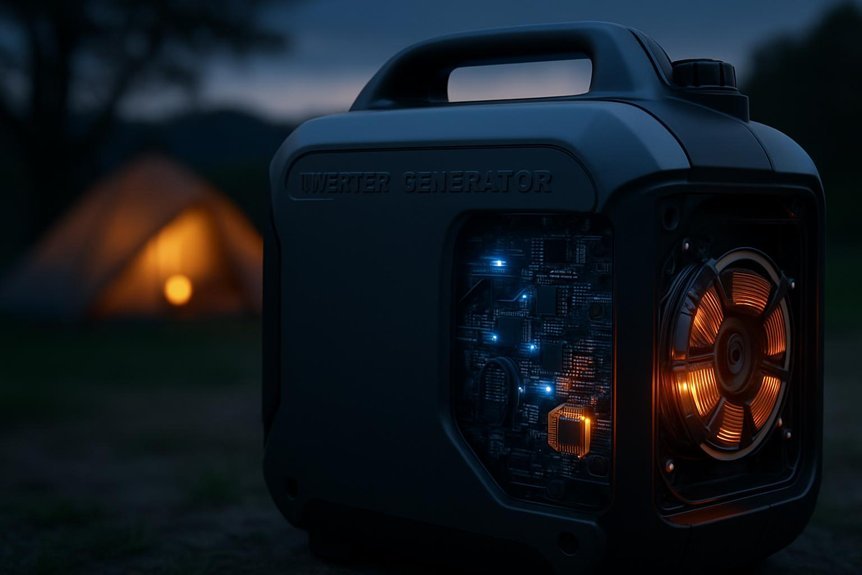
Building on how inverter generators convert and regulate electrical energy, we can see why their output remains exceptionally clean and stable. Unlike conventional generators, inverter generators produce AC power that is immediately converted to DC and then inverted back to AC with precise frequency and voltage control. This process considerably reduces harmonic distortion and voltage fluctuations, ensuring superior power quality. By continuously monitoring engine speed and load, inverter technology dynamically adjusts output, maintaining consistent frequency and voltage. The result is clean energy with low total harmonic distortion, ideal for sensitive electronics. This refined control mechanism eliminates the power spikes and drops common in traditional generators, providing stable power that safeguards devices and improves efficiency. Therefore, inverter generators deliver reliable, clean energy with consistently high power quality.
Key Benefits of Using an Inverter Generator
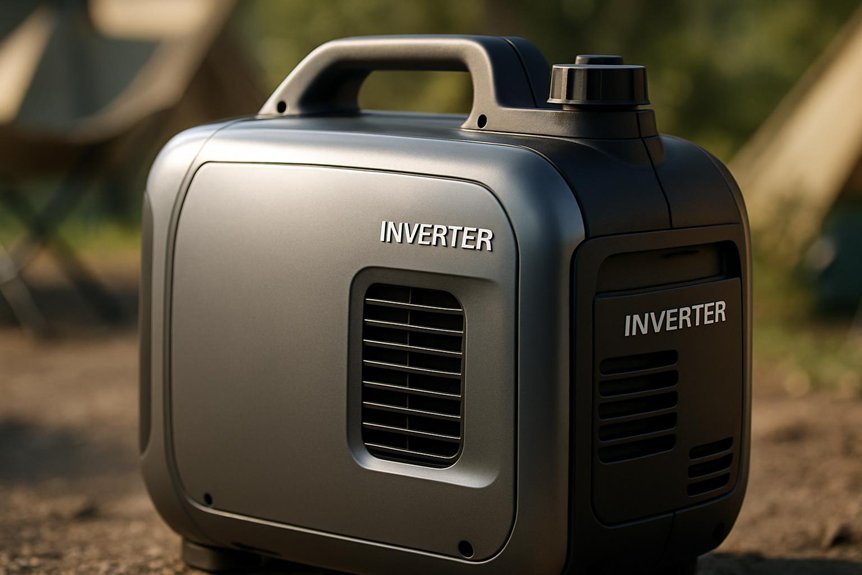
Let’s examine two critical advantages of inverter generators: their quiet operation and superior fuel efficiency. These factors directly impact usability and cost-effectiveness in various applications. Understanding how they achieve these benefits will clarify why they outperform conventional generators.
Quiet Operation Advantages
While many generators produce significant noise that can disrupt work or relaxation, inverter generators operate with remarkably low sound levels. This noise reduction is achieved through advanced electronic circuitry and variable engine speeds, ensuring quieter performance compared to conventional models. The compact design coupled with user-friendly features makes these generators ideal for residential use and outdoor activities, such as camping, where minimal disturbance is essential. Additionally, their quiet operation enhances emergency preparedness by allowing discreet power supply during crises. From an eco-friendly options perspective, reduced noise pollution aligns with sustainable living goals. Overall, inverter generators provide substantial advantages in noise-sensitive environments, balancing power output with quiet functionality, thereby supporting diverse applications without compromising tranquility or convenience.
Fuel Efficiency Benefits
Anyone seeking reliable power solutions quickly recognizes that fuel efficiency is a critical factor. Inverter generators excel here by optimizing engine speed based on load demand, unlike conventional models that run at constant speeds. This dynamic adjustment reduces fuel consumption, enhancing overall efficiency ratings. Additionally, inverter generators support diverse fuel types, including gasoline and propane, allowing us to select the most cost-effective and environmentally friendly option for our specific needs. By consuming less fuel over time, these generators not only lower operational costs but also minimize emissions, aligning with stricter environmental standards. Understanding these fuel efficiency benefits helps us make informed decisions, ensuring that our power solutions are both economically and ecologically sound without sacrificing performance or reliability.
Comparing Inverter Generators to Traditional Generators
Although both inverter and traditional generators serve the fundamental purpose of providing electrical power, we need to analyze their operational differences, efficiency, and output quality to understand which best suits specific applications.
- Output Quality: Inverter generators produce clean, stable power ideal for sensitive electronics, while traditional generators often have fluctuating voltage and frequency.
- Fuel Types and Efficiency: Inverter models adapt engine speed to load demand, optimizing fuel usage across gasoline, propane, or diesel, whereas traditional generators run at constant speed, leading to higher fuel consumption.
- Maintenance Tips: Inverter generators generally require less frequent maintenance due to advanced technology and lower engine strain, but both types benefit from regular oil changes, air filter cleaning, and fuel system checks.
Who Should Consider Buying an Inverter Generator?
What makes inverter generators the right choice for certain users? We find they excel for those prioritizing quiet, clean power output and portability. If you’re assembling camping essentials, an inverter generator’s compact design and low noise level make it ideal, minimizing disturbance while providing stable electricity for sensitive electronics. Additionally, in emergency preparedness, their reliable power delivery guarantees critical devices operate without interruption or damage from voltage fluctuations. Users needing precise power for laptops, medical equipment, or communication devices will appreciate their advanced inverter technology. While traditional generators may suffice for heavy-duty tasks, inverter models suit individuals valuing efficiency, portability, and power quality. Therefore, anyone focused on clean, consistent energy in outdoor or emergency scenarios should strongly consider investing in an inverter generator.
How Fuel Efficiency Saves Money and Extends Run Time
When we prioritize fuel efficiency in inverter generators, we greatly reduce operational costs while maximizing run time. Understanding the impact of fuel types and efficiency ratings is essential for optimizing performance and savings. Here are three key aspects to evaluate:
- Fuel Types: Different fuels—gasoline, propane, or diesel—offer varying energy densities and combustion efficiencies, directly affecting run duration and cost-effectiveness.
- Efficiency Ratings: High-efficiency inverter generators adjust engine speed to load demand, consuming less fuel during low power needs, thereby extending operational periods.
- Fuel Consumption Metrics: Monitoring consumption rates enables us to predict maintenance intervals and optimize fuel usage, minimizing waste and expenses.
What Makes Inverter Generators Quieter Than Others?
Fuel efficiency not only extends run time but also influences noise levels, as quieter operation often corresponds with optimized engine performance. Inverter generators utilize advanced technology that adjusts engine speed according to power demand, unlike conventional generators running at constant speeds. This variable speed operation considerably contributes to noise reduction by minimizing unnecessary engine strain and vibrations. Additionally, inverter systems incorporate sophisticated electronic components that stabilize voltage and frequency, allowing for smaller, more efficient engines that generate less noise. Sound-dampening materials and compact, aerodynamic designs further enhance noise control. By integrating these elements, inverter generators achieve quieter operation without sacrificing power output or reliability. Consequently, their noise reduction capabilities stem from a combination of optimized engine management and cutting-edge engineering, setting them apart from traditional generator models.
Common Uses for Inverter Generators in Everyday Life
Although inverter generators are often praised for their quiet operation and efficiency, their practical applications in daily life reveal their true value. Their adaptability and clean power output make them indispensable across diverse scenarios. Let’s analyze three common uses:
Inverter generators combine quiet efficiency and versatility, proving essential in everyday life across numerous settings.
- Outdoor Activities: On camping trips, RV adventures, fishing trips, and wildlife watching, inverter generators provide reliable, low-noise power, preserving the natural environment while running essential devices.
- Event Support: At tailgating parties, music festivals, and outdoor events, they deliver stable electricity to sound systems, lighting, and food vendors without disruptive noise or emissions.
- Emergency and Work Sites: They serve as emergency backup for home appliances during outages and power critical tools at construction sites, ensuring safety and operational continuity.
Their technical advantages align perfectly with these diverse everyday applications.
How to Choose the Right Inverter Generator for Your Needs
To choose the right inverter generator, we need to assess our power output requirements carefully to guarantee compatibility with our devices. We should also consider portability and size, balancing convenience with capacity. Additionally, evaluating noise levels helps us select a model that fits our environment without causing disruption.
Power Output Requirements
Understanding the power output requirements is essential when selecting the right inverter generator for our needs. Accurately evaluating power requirements through precise wattage calculation guarantees the generator can handle both running and starting loads without overload.
To determine this, we should:
- List all devices to be powered simultaneously and note their running wattage.
- Identify appliances with high starting wattage—motors or compressors—since they demand extra surge power.
- Sum running wattage and add the highest surge wattage to establish total wattage needs.
This methodical wattage calculation prevents undersizing the generator, ensuring reliable performance and protecting equipment. By quantifying power requirements, we can confidently select an inverter generator that matches our operational demands efficiently.
Portability and Size
After determining our power output requirements, we need to evaluate how portability and size impact the suitability of an inverter generator for our specific applications. Compact design is vital when space constraints are present, such as in camping or tailgating scenarios. Smaller units typically offer easier transportation but may compromise on continuous power capacity. Weight considerations also play a significant role; a lighter generator enhances mobility and reduces fatigue during handling. It’s important to balance weight against power needs, ensuring the unit remains manageable without sacrificing performance. Additionally, we should consider storage space and mounting options, as these factors influence overall convenience. By carefully analyzing compact design attributes and weight, we can select an inverter generator that aligns with both our logistical constraints and operational demands.
Noise Level Considerations
Although inverter generators are generally quieter than conventional models, evaluating noise levels remains crucial when selecting the right unit for our needs. Noise reduction techniques and soundproofing options greatly influence usability in noise-sensitive environments. We should focus on:
- Decibel Ratings: Compare units based on their dB levels at various loads to guarantee compliance with local noise regulations and personal comfort.
- Built-in Noise Reduction Features: Look for models with advanced mufflers, vibration isolation, and optimized engine speed control to minimize sound output.
- Additional Soundproofing Options: Consider aftermarket enclosures or acoustic blankets to further reduce noise, especially for prolonged use in residential or camping settings.
Frequently Asked Questions
How Do I Maintain and Service an Inverter Generator?
We maintain and service our inverter generator by following the manufacturer’s maintenance schedule, regularly checking oil, air filter, and spark plugs. This guarantees ideal fuel efficiency and reliable performance, preventing costly repairs and extending the generator’s lifespan.
Can Inverter Generators Be Used Indoors Safely?
We don’t use inverter generators indoors safely, we don’t risk indoor safety, and we don’t ignore carbon monoxide hazards. Proper ventilation and outdoor placement remain critical to prevent toxic buildup and guarantee safe operation at all times.
What Are the Typical Warranty Terms for Inverter Generators?
We typically find inverter generators come with warranty coverage ranging from one to three years, depending on power output and brand. This protects against defects and performance issues, ensuring reliable operation throughout the specified period.
How Do Inverter Generators Handle Surge Power Demands?
We manage surge capacity by temporarily boosting output during peak demands, using advanced power management systems to balance load and prevent overload. This guarantees stable performance without damaging internal components or disrupting connected devices.
Are There Specific Brands Known for Inverter Generator Reliability?
We find Honda vs. Yamaha both offer reliable inverter generators, with Honda excelling in durability and Yamaha in quieter operation. Both provide eco-friendly options, so choosing depends on your priorities for performance, noise level, and environmental impact.
Conclusion
As we’ve seen, inverter generators deliver up to 90% less total harmonic distortion than traditional models, ensuring safer, cleaner power for sensitive electronics. Their fuel efficiency and quieter operation make them practical and environmentally friendly choices. Whether for work, recreation, or emergencies, inverter generators provide consistent, stable energy with lower emissions. Understanding these technical advantages helps us confidently select the right unit to meet our specific power needs effectively.