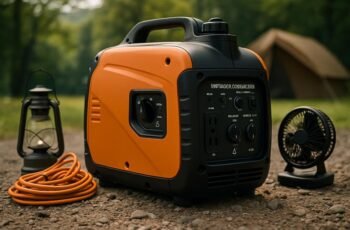
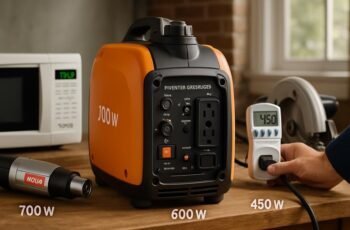
When selecting an inverter generator, we need to start by accurately calculating our total power requirements, including both running and surge wattages. This guarantees the generator can handle our devices without overloading. We should also assess key technical features like Total Harmonic Distortion to protect sensitive electronics, alongside noise output and fuel efficiency. Understanding these factors will help us narrow down options that fit our specific needs and lifestyle, but there’s more to contemplate before making a final choice.
Key Takeaways
- Calculate total starting and running wattage to ensure the inverter generator meets your peak and continuous power needs.
- Choose models with low Total Harmonic Distortion (THD) under 3% for safe use with sensitive electronics.
- Consider noise levels and fuel efficiency to balance comfort, cost, and environmental impact.
- Match generator size and portability with your budget and lifestyle requirements for optimal convenience.
- Maintain regular servicing and proper load management to maximize inverter generator performance and longevity.
How to Determine Your Power Needs for an Inverter Generator
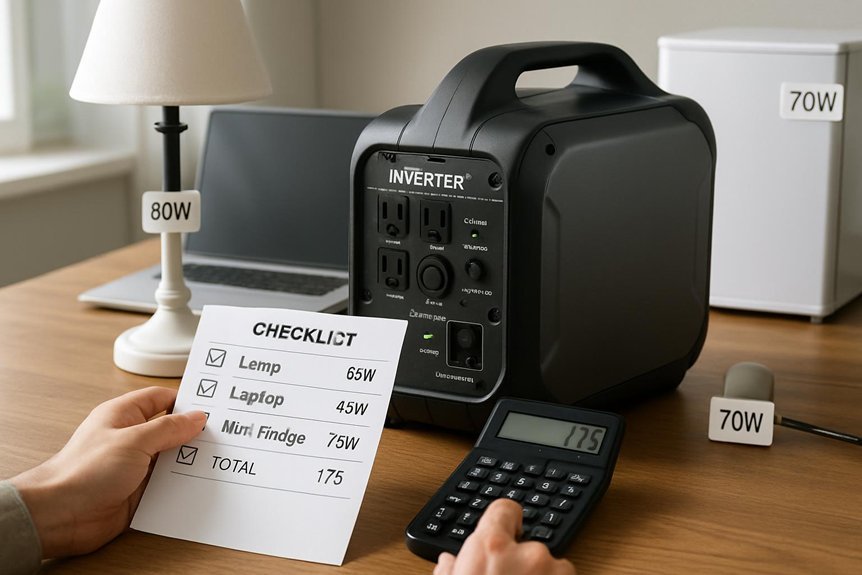
How do we accurately determine the power requirements for an inverter generator? First, we conduct a thorough power calculation by listing all devices we plan to run simultaneously. We note each device’s starting and running wattage requirements, as starting watts can be considerably higher. Summing the running wattages gives us the baseline load, while adding the highest starting wattage guarantees the generator can handle surge demands. It’s essential to differentiate between continuous and peak wattage requirements to avoid undersizing. By analyzing these wattage requirements precisely, we select an inverter generator capable of delivering stable power without overload. This methodical approach helps us avoid inefficiencies, making sure the generator meets our operational needs reliably and safely.
What Features Make an Inverter Generator Ideal for Sensitive Electronics?
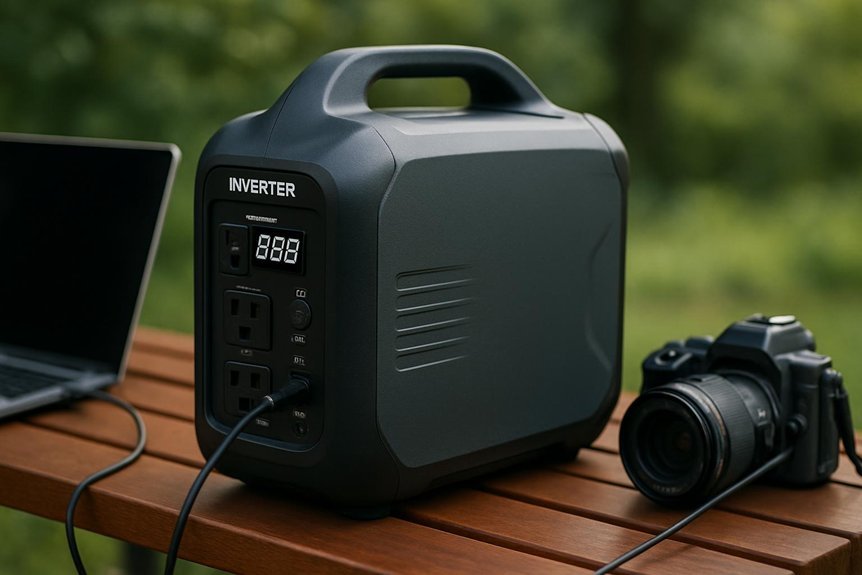
Why do inverter generators stand out as the best choice for powering sensitive electronics? The key lies in their ability to maintain low Total Harmonic Distortion (THD) levels, typically below 3%. This means the electrical output is clean and stable, preventing damage or malfunction in devices like laptops and medical equipment. Additionally, an ideal inverter generator offers adequate surge capacity to manage the initial power spikes when sensitive electronics start up. This surge capacity protects components from voltage fluctuations that conventional generators often fail to regulate. We should also consider features like automatic voltage regulation and pure sine wave output, which further enhance compatibility with delicate circuitry. By focusing on these technical specifications, we guarantee reliable, safe power delivery tailored specifically for sensitive electronics.
Comparing Noise Levels and Fuel Efficiency Across Models
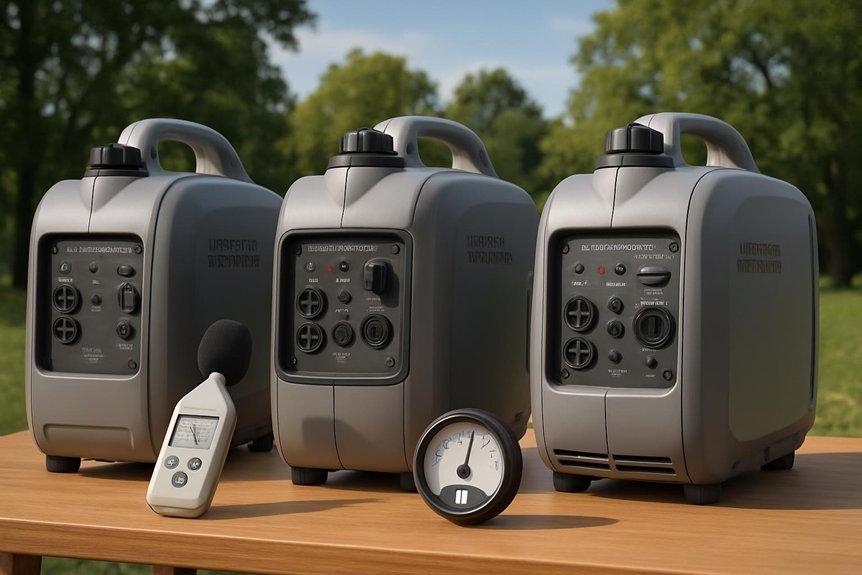
When comparing inverter generator models, noise levels and fuel efficiency emerge as critical factors affecting usability and operating costs. We must analyze decibel ratings under typical loads to assess noise reduction technology effectiveness; lower dB values improve user comfort and compliance with noise regulations. Fuel efficiency varies considerably across models due to engine design and fuel types—gasoline, propane, or dual-fuel options. Models with advanced fuel injection and eco-throttle systems optimize consumption, extending run times and reducing refueling frequency. Additionally, fuel types influence emissions and operational costs, with propane often offering cleaner combustion but lower energy density compared to gasoline. By scrutinizing these parameters, we can select inverter generators that balance quieter operation with efficient fuel use, ensuring reliable, cost-effective performance tailored to specific needs.
Choosing the Best Inverter Generator for Your Budget and Lifestyle
Although numerous inverter generators offer impressive features, selecting the best one requires us to carefully align their specifications with our budget constraints and lifestyle demands. We need to evaluate portable options that match our mobility needs without overspending. Conducting brand comparisons helps us identify reliable manufacturers with proven performance and support. To streamline our decision:
- Define power requirements to avoid overpaying for excess capacity.
- Assess portability factors such as weight and handle design for ease of transport.
- Compare brands on warranty terms, customer reviews, and after-sales service.
Tips for Maintaining and Maximizing Your Inverter Generator’s Performance
Maximizing the performance and lifespan of our inverter generator requires consistent maintenance and careful operation. Regular oil changes are critical; adhering to manufacturer intervals prevents engine wear and guarantees stable performance. Equally important is filter maintenance—clean or replace air and fuel filters to avoid clogging and maintain efficient combustion. We must also apply effective load management by running the generator within its rated capacity to prevent overheating and fuel inefficiency. Avoid sudden load spikes to protect sensitive electronics. For storage, proper procedures are essential: drain fuel or use stabilizers, store in a dry, ventilated area, and disconnect the battery if applicable. Following these precise maintenance and operational strategies helps us sustain peak functionality and extends the generator’s service life.
Frequently Asked Questions
Can Inverter Generators Be Used Safely Indoors?
We don’t recommend using inverter generators indoors due to carbon monoxide risks. For indoor safety, they must operate in well-ventilated areas. Proper placement and carbon monoxide detectors are essential to prevent toxic buildup and guarantee safety.
What Is the Typical Lifespan of an Inverter Generator?
Inverter generators typically last 2,000 to 3,000 hours. It is understood that lifespan factors like usage intensity and maintenance tips such as regular oil changes directly influence durability. Staying proactive extends performance and overall generator longevity considerably.
Are Inverter Generators Compatible With Solar Power Systems?
Yes, inverter generators offer excellent solar compatibility due to their inverter efficiency, which guarantees stable, clean power. We can integrate them seamlessly with solar power systems, optimizing energy conversion and maintaining consistent output for sensitive electronics.
How Do Inverter Generators Perform in Extreme Weather Conditions?
How do inverter generators handle extreme conditions? We understand their cold weather performance can dip due to fuel thickening, but their heat resistance capabilities often prevent overheating. Proper maintenance guarantees peak function despite temperature extremes.
Can I Connect Multiple Inverter Generators for More Power?
Yes, we can connect multiple inverter generators using parallel operation, effectively increasing total generator capacity. This method requires compatible models and proper synchronization to guarantee stable, efficient power output without overloading individual units.
Conclusion
So, let’s not just grab the flashiest inverter generator with all the bells and whistles and hope for the best. After all, who needs to calculate wattage or consider noise when you can enjoy a surprise blackout symphony? But seriously, by precisely matching power needs, prioritizing low THD, and weighing fuel efficiency, we avoid costly mistakes. Choosing smartly means your devices stay safe, your wallet stays happy, and your peace of mind stays intact—no drama required.