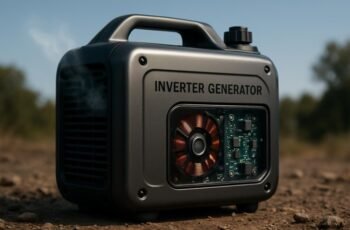
Let’s explore how inverter generators work and why they’ve become essential for powering sensitive electronics reliably. Unlike traditional generators, they produce stable, clean electricity through advanced electronics, ensuring consistent performance with greater fuel efficiency and lower noise levels. Understanding their key features and proper sizing can help us make informed choices tailored to our specific needs. But what exactly sets inverter generators apart, and how do we select the right one?
Key Takeaways
- Inverter generators produce clean, stable AC power ideal for sensitive electronics by converting mechanical energy through DC and AC stages.
- They optimize fuel efficiency and reduce noise by adjusting engine speed based on power demand.
- Key features to consider include power ratings, noise levels, fuel efficiency, portability, and safety protections.
- Proper sizing requires assessing total running and surge wattage needs of connected devices for reliable operation.
- Regular maintenance and safe usage, including ventilation and fuel checks, extend generator lifespan and ensure safety.
What Is an Inverter Generator and How Does It Work
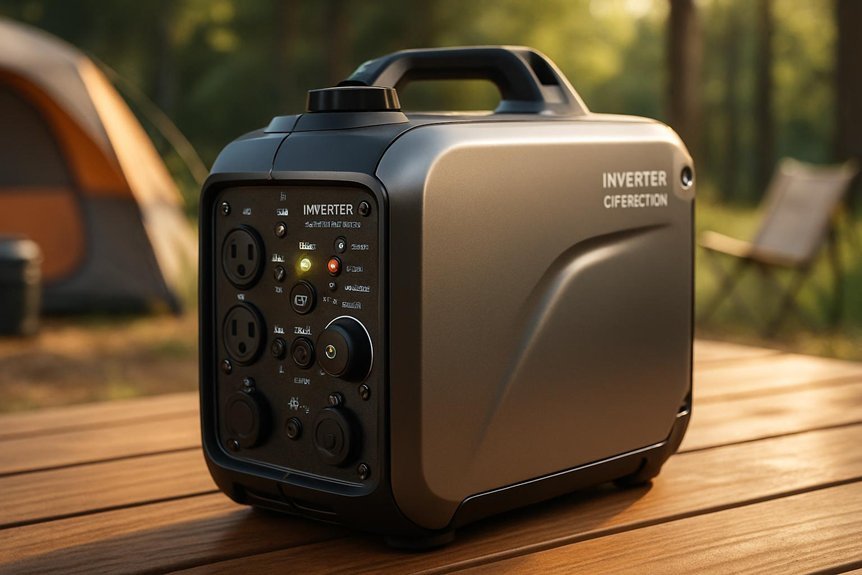
An inverter generator is a compact power source that converts raw mechanical energy into clean, stable electricity through advanced electronic circuitry. Using inverter technology, it first generates AC power mechanically, then converts it to DC power through a rectifier. This DC power undergoes precise power conversion back into AC via an inverter module, which regulates voltage and frequency tightly. This two-step power conversion process enables the generator to produce a consistent sine wave output regardless of engine speed fluctuations. By controlling engine RPM based on load demand, inverter generators optimize fuel efficiency and reduce noise. Understanding this intricate interplay between mechanical and electronic components helps us appreciate how inverter technology guarantees reliable, portable power suited for various applications.
Why Inverter Generators Are Better for Sensitive Electronics
When powering sensitive electronics, we need a clean power output with minimal harmonic distortion to prevent damage. Inverter generators provide a stable voltage supply, maintaining consistent frequency and amplitude under varying loads. They also reduce electrical noise, ensuring our devices operate efficiently without interference.
Clean Power Output
Although traditional generators provide sufficient power for many applications, they often produce unstable electricity that can damage sensitive electronics. Inverter generators, however, deliver clean energy through advanced electronics that convert raw power into stable, consistent sine waves. This clean power output minimizes harmonic distortion and voltage fluctuations, ensuring devices like laptops and medical equipment operate safely and efficiently. By electronically regulating frequency and voltage, inverter generators maintain superior power stability compared to conventional models. This precise control reduces the risk of overheating, data loss, or component failure in sensitive electronics. When we choose inverter generators, we prioritize delivering power that meets strict quality standards, supporting delicate devices without compromising performance or longevity.
Stable Voltage Supply
Beyond delivering clean power output, inverter generators excel at maintaining a stable voltage supply, which is essential for protecting sensitive electronics. They achieve this through advanced voltage regulation systems that continuously monitor and adjust the electrical output. Unlike conventional generators, inverter models produce AC power that is converted to DC and then inverted back to AC, allowing precise control over voltage levels. This process guarantees minimal fluctuations, resulting in superior power stability. Consistent voltage regulation prevents damage caused by voltage spikes or drops, which can harm devices like laptops, smartphones, and medical equipment. By providing a stable voltage supply, inverter generators reduce the risk of electrical failures and enhance the longevity of sensitive electronics, making them the preferred choice for users requiring reliable and safe power sources in various environments.
Reduced Electrical Noise
Because sensitive electronics require clean and stable power, we need to evaluate the impact of electrical noise on their operation. Inverter generators excel at noise reduction due to their advanced electronics and precise engine speed control. Unlike conventional generators, they produce a consistent sine wave with minimal harmonic distortion, which prevents interference that can damage or disrupt sensitive devices. This refined power output results from the inverter’s ability to convert raw energy into stable, clean electricity. Additionally, inverter generators operate at variable speeds, optimizing fuel consumption and enabling quiet operation. This not only reduces audible noise but also lowers electromagnetic interference. By choosing inverter generators, we guarantee sensitive electronics receive reliable, low-noise power, enhancing performance and longevity.
Key Features to Look for in an Inverter Generator
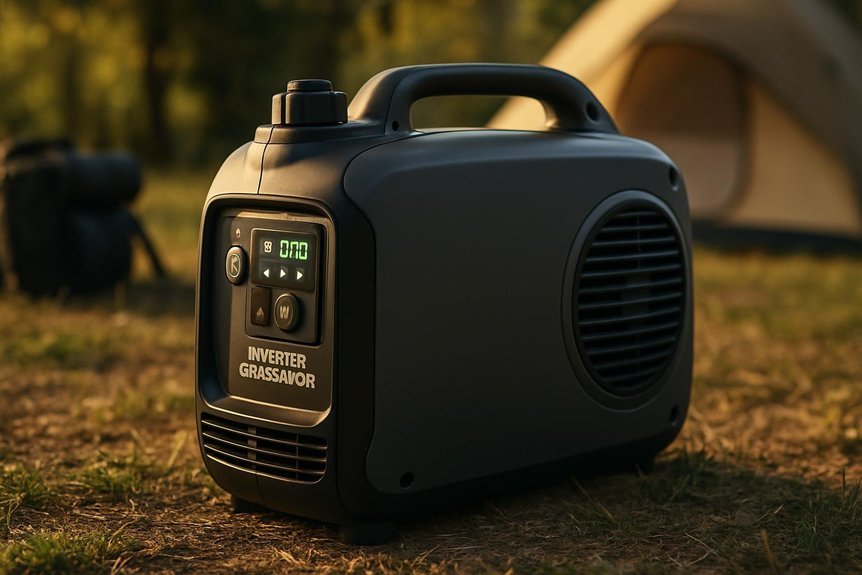
When selecting an inverter generator, we need to focus on specific features that directly impact performance, efficiency, and usability. First, power ratings determine the generator’s capacity, so understanding your needs is essential. Noise levels matter, especially in residential or recreational settings, so look for models with sound-dampening designs. Fuel efficiency affects runtime and operational cost, making advanced inverter technology important for optimized consumption. Portability options, like weight and built-in handles, enhance ease of transport. Safety features—such as overload protection and low-oil shutoff—are critical for reliable operation. Conducting brand comparisons helps identify reputable manufacturers known for durability and support. Finally, paying attention to warranty details guarantees long-term protection and peace of mind with your investment.
How to Choose the Right Size and Power Output
To choose the right inverter generator size, we first need to assess the total power requirements of our devices. We’ll focus on the running wattage each appliance demands and then factor in the starting surge, which can be remarkably higher. This approach guarantees we select a generator that handles both continuous load and initial power spikes efficiently.
Assess Power Needs
How do we determine the right inverter generator size for our specific needs? First, we analyze power requirements by listing all appliances and devices we intend to run, noting their wattage ratings. We then perform wattage calculations to sum total energy consumption under typical usage scenarios. Understanding appliance compatibility is essential; some equipment demands stable power or surge capacity. Load management helps us avoid overloading by prioritizing essential devices. We factor in generator sizing by selecting a model that meets or slightly exceeds calculated peak load, ensuring operational efficiency and longevity. Additionally, reviewing efficiency ratings allows us to balance power output with fuel consumption, optimizing performance. This systematic assessment guarantees we choose an inverter generator tailored precisely to our power demands.
Consider Running Wattage
Three key factors guide us in choosing the right inverter generator size: running wattage, starting wattage, and continuous power output. Focusing on running wattage, we must evaluate the total running capacity required to power our essential devices simultaneously. This wattage represents the steady energy draw during normal operation, critical for efficient wattage management. Underestimating running wattage risks overloading the generator, causing instability or shutdowns. To avoid this, we calculate the sum of each appliance’s rated running wattage, ensuring the generator’s continuous power output exceeds this total with a margin for safety. By precisely matching running capacity to our needs, we optimize fuel efficiency and prolong generator lifespan. Accurate wattage management here forms the foundation for reliable, consistent power delivery in any application.
Factor In Starting Surge
While calculating running wattage gives us a solid baseline for generator sizing, we must also account for the starting surge—the brief, significant increase in power demand when certain appliances kick on. Proper surge management guarantees our inverter generator can handle these transient loads without tripping or damage. To achieve peak wattage compatibility, we select a generator whose surge capacity exceeds the highest starting surge among our appliances.
| Appliance | Running Wattage | Starting Surge (Watts) |
|---|---|---|
| Refrigerator | 700 | 2100 |
| Air Conditioner | 1500 | 4500 |
| Power Tools | 800 | 2400 |
Fuel Types and Efficiency: What You Need to Know
Why do fuel types matter so much when choosing an inverter generator? Fuel efficiency directly affects runtime and operating costs, so understanding which fuel suits your needs is essential. Common generator types use gasoline, propane, or diesel, each with distinct fuel storage requirements and emissions impact. Gasoline offers convenience but higher emissions and noise levels, while propane burns cleaner with lower environmental impact and easier storage. Diesel is fuel-efficient and durable but can be noisier and requires diligent maintenance to prevent injector clogging. Comparing costs involves balancing fuel price, availability, and maintenance tips like regular oil changes and fuel stabilizers. Selecting the right fuel type optimizes performance, minimizes emissions, and aligns with your budget, ensuring efficient, reliable power with reduced environmental footprint.
Portable vs. Stationary: Which Inverter Generator Fits Your Needs?
How do we determine whether a portable or stationary inverter generator best suits our power needs? First, we evaluate portability requirements. Portable advantages include lightweight design, compact size, and ease of transport, making them ideal for camping, tailgating, or temporary job sites. They typically produce between 1,000 to 4,000 watts, sufficient for small appliances. In contrast, stationary benefits focus on higher power output, stability, and continuous operation, often integrated into home backup systems. These models deliver 5,000 watts or more, supporting multiple household circuits simultaneously. They also offer quieter operation and longer runtimes due to larger fuel tanks. Evaluating usage frequency, power demand, and mobility needs helps us select the appropriate inverter generator, balancing portable advantages against stationary benefits for ideal performance and convenience.
How to Use and Maintain Your Inverter Generator Safely
Operating and maintaining our inverter generator safely requires strict adherence to manufacturer guidelines and routine checks. We must follow safety precautions like ensuring proper ventilation to prevent carbon monoxide buildup and grounding the unit correctly. Usage guidelines dictate inspecting fuel levels, oil, and filters before each use. Regular maintenance extends lifespan and improves performance.
| Task | Frequency | Safety Precautions |
|---|---|---|
| Check oil level | Before each use | Use recommended oil type |
| Inspect air filter | Monthly | Replace if dirty or damaged |
| Clean spark plug | Every 100 hours | Avoid contact with hot surfaces |
| Fuel system check | Monthly | Use fresh fuel; avoid spills |
| Storage | After use | Drain fuel; store in dry location |
Common Uses for Inverter Generators: Camping, Home Backup, and More
Inverter generators frequently serve a variety of practical applications due to their compact size, fuel efficiency, and clean power output. For outdoor adventures, they’re essential camper essentials, providing reliable power for small appliances and electronics without noise disruption. During tailgate parties, their quiet operation guarantees a pleasant environment while powering speakers and cooking equipment. Regarding home improvement, inverter generators deliver stable electricity for sensitive tools, preventing damage and guaranteeing consistent performance. They’re invaluable for emergency preparedness, offering dependable backup during power outages by safely running critical devices like medical equipment and communication tools. Their ability to modulate power output efficiently makes them ideal for these diverse scenarios, blending portability with precise energy delivery to meet various power demands without compromising safety or convenience.
Troubleshooting Common Issues With Inverter Generators
Although these generators are designed for reliability, we sometimes encounter issues that require prompt diagnosis and correction to maintain peak performance. Fuel issues often cause starting difficulties, so we first check fuel quality and carburetor condition. Overload problems can trigger automatic shutdowns; monitoring load capacity prevents this. Noise complaints may indicate loose components or exhaust issues, which we inspect and tighten as needed. Power fluctuations usually stem from inverter failures or electrical faults; testing output voltage helps identify these. We address safety concerns by verifying grounding and confirming ventilation. Following maintenance tips, such as regular oil changes and air filter cleaning, reduces malfunctions. By systematically troubleshooting these common problems, we guarantee inverter generators operate efficiently and safely without unexpected downtime.
Tips for Getting the Best Performance and Longevity
To maximize our inverter generator’s performance and lifespan, we need to follow strict maintenance routines, including regular oil changes and air filter inspections. Using the generator within its ideal load range and avoiding prolonged idling helps maintain efficiency and reduces wear. Let’s explore these critical practices to guarantee reliable operation and durability.
Proper Maintenance Practices
When we commit to regular maintenance, we guarantee our generators run efficiently and last longer. Consistent oil changes prevent engine wear, while inspecting and replacing air filters assures ideal airflow. Fuel stabilization is essential during extended storage to avoid gum deposits that impair performance. Battery maintenance involves checking charge levels and cleaning terminals to maintain reliable starts. Following cleaning tips such as removing dust and debris from vents enhances cooling efficiency. Adhering to proper storage practices—storing in a dry, temperature-controlled environment—prevents corrosion. Seasonal checks should include examining spark plugs, fuel lines, and control panel functions. Finally, load testing under typical operational conditions verifies that the generator can handle expected power demands without strain, securing dependable performance when needed most.
Optimal Usage Tips
Maximizing the performance and lifespan of our inverter generators requires applying several targeted operational strategies. First, we should always operate the generator at ideal load—between 50% and 80% capacity—to guarantee efficient fuel consumption and prevent undue wear. This balance directly contributes to fuel conservation by avoiding unnecessary fuel burn during low-load periods. Next, employing proper placement, such as positioning the generator on a stable, vibration-absorbing surface, helps minimize noise and mechanical stress. Regularly checking and replacing air and fuel filters maintains airflow and combustion efficiency, further supporting fuel conservation. Finally, using noise reduction accessories like mufflers or sound enclosures considerably decreases operational noise, improving comfort without compromising performance. By integrating these precise measures, we extend our inverter generator’s operational life while maximizing efficiency and maintaining quieter operation.
Frequently Asked Questions
Can Inverter Generators Be Connected in Parallel for More Power?
Yes, we can connect inverter generators in parallel operation to increase power output. This setup synchronizes their output, allowing us to combine capacities efficiently while maintaining stable voltage and frequency for our devices.
Are Inverter Generators Noisy Compared to Traditional Generators?
We find inverter generators produce lower sound levels than traditional models due to advanced noise reduction technology. In noise comparison tests, inverter generators consistently demonstrate quieter operation, making them ideal for noise-sensitive environments and prolonged use.
Do Inverter Generators Require Special Oil or Maintenance Schedules?
We don’t need special oil types, but we do follow specific maintenance tips. Using high-quality synthetic oil and sticking to manufacturer schedules guarantees peak performance and longevity, preventing wear and optimizing inverter generator efficiency consistently.
How Do Weather Conditions Affect Inverter Generator Performance?
We understand temperature effects can reduce efficiency by altering combustion, while humidity impact affects air density and fuel mixture. Together, these weather conditions demand careful monitoring to maintain ideal inverter generator performance and prevent damage.
Are Inverter Generators Compatible With Solar Power Systems?
Yes, inverter generators offer solar compatibility when paired with proper charge controllers and inverters. We guarantee maximum power efficiency by integrating these systems, allowing seamless energy management and stable output for your solar-powered applications.
Conclusion
As we wrap up our guide, remember that choosing and maintaining the right inverter generator is like crafting a reliable lifeline—steady, efficient, and ready when you need it most. By understanding power needs, fuel types, and safety features, we guarantee our sensitive electronics stay protected and our adventures uninterrupted. Let’s harness this technology wisely, turning potential power challenges into seamless, dependable energy solutions for every occasion.