Have we been searching for a reliable way to power our home, cabin, or off-grid setup without constantly worrying about outages and utility costs?

What Is the LiTime 3500W Solar Hybrid Inverter?
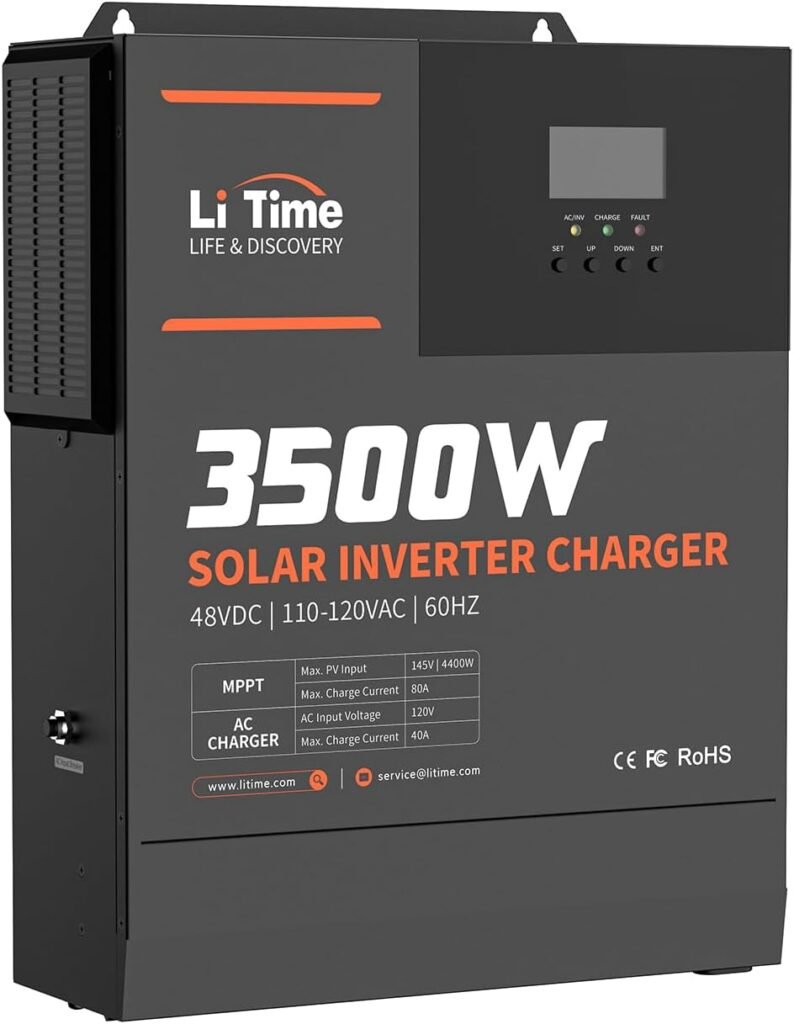
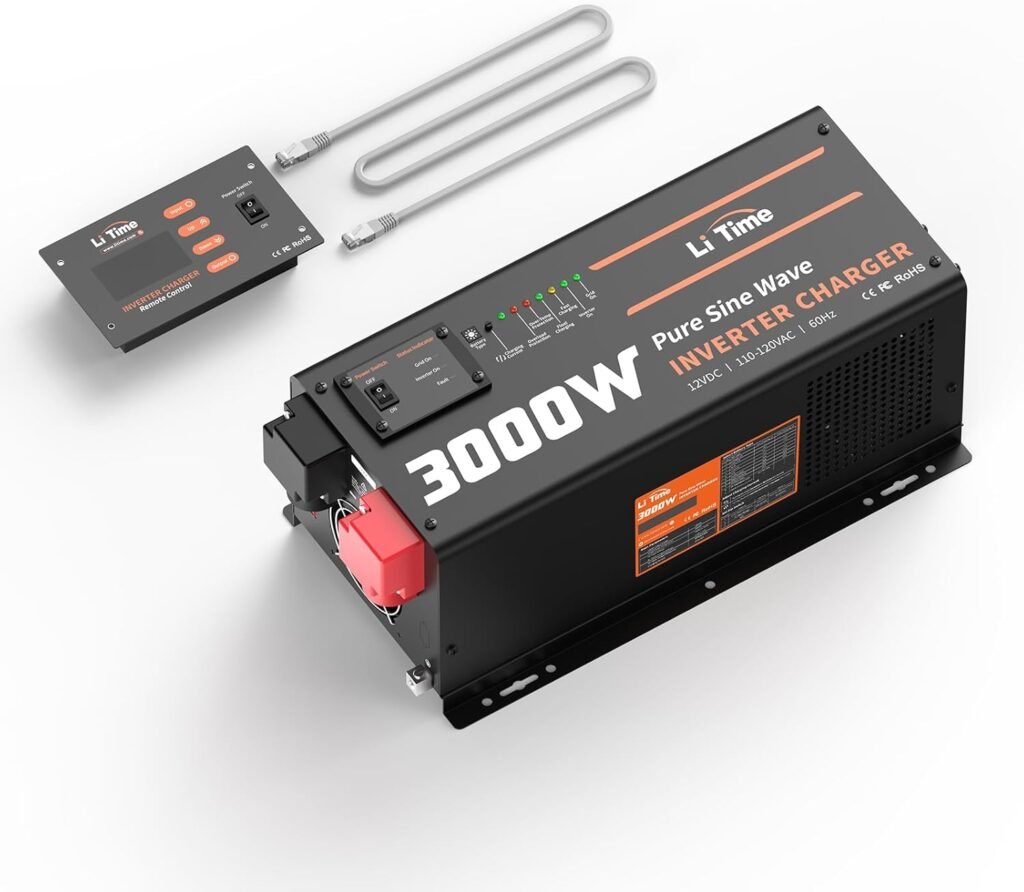
When we look at the LiTime 3500W Solar Hybrid Inverter, we are talking about a compact, all-in-one power hub. It combines an inverter, a solar charge controller, and a battery charger into a single 48V system that converts DC to 120V AC.
This means we can connect our solar panels, our 48V battery bank, and our household loads to one central unit. It is especially appealing if we want to build or upgrade an off-grid or backup power system without juggling multiple separate devices.
Key Features at a Glance
Sometimes it helps to see the main specs laid out clearly. Here is a quick overview of what this inverter offers and what that means for us.
| Feature | Specification / Description | Why It Matters for Us |
|---|---|---|
| Inverter Type | 48V DC to 120V AC pure sine wave, 3500W continuous, 6000W surge | Clean power for sensitive electronics and appliances |
| All-in-One Design | Inverter + 80A MPPT charge controller + charger in one unit | Less space, simpler installation, fewer cables and components |
| MPPT Charge Controller | 80A maximum with automatic solar tracking | Higher solar harvest, better efficiency compared to PWM controllers |
| Supported Battery Types | 48V lead-acid, LiFePO4, lithium, user-defined, and LiTime 51.2V 100Ah ComFlex Edition | Flexibility to choose or upgrade battery types over time |
| Charging Modes | Solar Only, Utility Priority, Solar Priority, Hybrid | Lets us optimize cost savings and battery usage |
| Output / Working Modes | Inverter Priority, PV Priority, Utility Priority | Control which source (solar, battery, or grid) our loads use first |
| UPS Function | Automatic transfer to battery backup in milliseconds | Keeps critical devices running during outages |
| Protection Features | Short-circuit, over-temperature, overload protection, smart cooling fans | Enhances safety and longevity of the system |
| Communication | RS485 communication for battery monitoring (undervoltage, overvoltage, overcurrent) | Better integration with 48V battery systems and potential monitoring setups |
| Monitoring Interface | Built-in LCD display for system status (battery, solar, AC input/output) | Lets us easily check what is happening without extra equipment |
| Ideal Use Cases | Home energy storage, off-grid cabins, RV cabins, small workshops, backup power | Versatile for a wide range of scenarios |
This table gives us a snapshot of what the LiTime 3500W inverter is capable of. From here, we can decide whether it fits our own energy needs and project plans.

All-in-One Space-Saving Design
The standout feature of this product is its all-in-one design. Instead of buying a separate inverter, a separate MPPT controller, and a separate charger, we get everything in one enclosure.
This compact layout matters for us in a few ways. It saves wall space, reduces wiring complexity, and cuts down on the number of components we have to match and configure. For a garage wall, utility room, or cabin installation, that simplicity can make the difference between a neat setup and a jumbled mess.
Why Combining Inverter, MPPT, and Charger Helps Us
By integrating all three core components, the LiTime unit simplifies both planning and installation. We do not need to worry whether the charge controller will work smoothly with the inverter or if the charger profile is right for our chosen battery type.
Because everything is designed to work together from the start, we can focus on correct sizing of solar panels and batteries, rather than compatibility between different brands and models. This can also reduce the chances of wiring errors that might happen when piecing together several standalone devices.
Pure Sine Wave Output and Power Capacity
The LiTime 3500W Solar Hybrid Inverter delivers a pure sine wave output at 120V AC. This is important because most household appliances and sensitive electronics are designed for a clean sine wave similar to what we get from the grid.
We can run devices like laptops, TVs, refrigerators, power tools, and even some medical equipment without the buzzing or overheating sometimes seen with modified sine wave inverters.
3500W Continuous and 6000W Surge
The continuous power rating of 3500W means we can run a fair number of appliances simultaneously, as long as their combined draw stays under that limit. The 6000W surge capability lets the inverter handle the brief startup spikes of motors and compressors.
This surge headroom is especially useful for refrigerators, freezers, pumps, or power tools that can pull several times their running wattage just for a moment when they start. That short burst of extra power availability helps prevent nuisance shutdowns or tripping when larger appliances kick on.
80A MPPT Charge Controller: Better Use of Our Solar
A big advantage of this model is the built-in 80A MPPT (Maximum Power Point Tracking) solar charge controller. MPPT controllers constantly adjust to harvest as much energy as possible from our solar panels under changing sunlight and temperature.
Compared with simpler PWM controllers, MPPT can significantly improve system efficiency and increase the usable output from our solar array. Over the course of a day, that extra energy adds up, especially in colder or variable weather.
What 80A Charging Means for Our Solar Array
An 80A rating gives us ample capacity to pair this inverter with a reasonably large solar array. While the exact configuration depends on our panel voltage and battery voltage, this rating generally supports a robust 48V battery system for home or cabin use.
This allows us room to expand our solar array over time. Maybe we start with a modest number of panels, then add more later as our budget and needs grow. The 80A capacity helps make this growth path feasible without immediately needing a separate or larger charge controller.
Smart Energy Manager for Cost Savings
One of the biggest advantages of a hybrid inverter is its ability to orchestrate multiple power sources. The LiTime 3500W unit includes flexible charging and output modes that let us tune how our system uses solar, grid, and battery power.
With thoughtful configuration, we can cut our energy bills, reduce our dependence on the grid, or maximize battery lifespan, depending on our priorities. This flexibility is where the “smart energy manager” aspect really shows.
Four Charging Modes for Flexible Input Use
The inverter supports four main charging modes:
-
Solar Only
In this mode, our batteries are charged only from solar. Grid power is not used for charging, which is ideal if we want to prioritize renewable energy and avoid extra demand on utility power. -
Utility Priority
Here, the system gives priority to grid power for charging. This can be useful if our utility rate is low, or if we need to quickly recharge the battery before an expected outage or heavy use period. -
Solar Priority
Solar is used as the primary source for charging, with grid power stepping in only when solar is not sufficient. This balances cost savings and reliability, pulling in just enough utility power to keep the battery from getting too low. -
Hybrid
In Hybrid mode, the system intelligently uses both solar and grid energy together. This option aims to get the best of both worlds: use solar when available, but blend in grid power as needed to ensure stable battery charging and availability.
By choosing and adjusting these modes, we can fine-tune how our system behaves throughout the day and across seasons.
Output Modes: Choosing Which Source Feeds Our Loads
Besides charging logic, the LiTime inverter offers different output modes that define how loads are powered:
-
Inverter Priority
The system uses the battery and inverter output as the primary source for loads. The grid (if connected) acts as a backup. This works well if we want to maximize use of stored energy and treat the grid as a secondary safety net. -
PV Priority
Here, power from the solar panels is used first for our loads, before drawing from the battery or grid. This helps us consume solar energy directly when it is available, which is often more efficient. -
Utility Priority
The grid provides the primary power, with the inverter and battery stepping in as backup. This is more like a traditional UPS setup, ideal for those of us who only want the battery to cover outages and not to run our home day-to-day.
Each of these modes gives us control over how we balance our solar production, battery reserves, and grid usage. That control is central to reducing costs or improving resilience, depending on our goals.
Built-In UPS Function for Seamless Backup
A standout practical feature is the built-in UPS (Uninterruptible Power Supply) capability. When utility power fails, the system switches over to battery power in milliseconds.
Because the switchover is so fast, our sensitive electronics usually keep running without rebooting. This is important for computers, network equipment, security systems, routers, and any devices we do not want to lose power unexpectedly.
Why Fast Transfer Matters for Our Everyday Use
If we live in an area with frequent short outages or brownouts, a UPS-like function helps keep our home or office functioning smoothly. The quick transfer ensures:
- Our modem and router do not drop connection.
- Our computer does not crash or risk data loss.
- Our lighting, small electronics, or medical devices can continue uninterrupted.
This makes the LiTime 3500W inverter more than just a solar/off-grid unit; it becomes a central backbone for both energy savings and power reliability.
Compatibility with Multiple 48V Battery Types
Battery flexibility is a key strength of the LiTime hybrid inverter. It supports:
- 48V lead-acid batteries (including AGM and GEL)
- 48V lithium batteries
- 48V LiFePO4 batteries
- User-defined configurations
- LiTime’s own 51.2V 100Ah ComFlex Edition battery
This range of supported chemistries means we are not locked into a single battery type or brand. If our needs or budget change, we can upgrade the battery bank without replacing the entire inverter.
Working Seamlessly with LiFePO4 and ComFlex Edition
LiFePO4 batteries are gaining popularity in home storage because of their long cycle life, safety, and stable chemistry. This inverter is designed to handle LiFePO4 charging profiles correctly, which matters for both performance and battery longevity.
For those of us who choose LiTime’s 51.2V 100Ah ComFlex Edition battery, the integration can be even smoother. The inverter’s communication and charging logic can better align with this battery’s specs, helping us get the most from that pairing.
Reliable and Protective Design
When we invest in a central component for our power system, durability and protection are critical. The LiTime 3500W hybrid inverter includes several layers of protection:
- Short-circuit protection
- Over-temperature protection
- Overload protection
- Intelligent cooling fans
These safeguards are there to protect both the inverter and our connected batteries and loads. They help prevent damage from unusual situations, such as unexpected high current draw or sustained high temperatures.
Intelligent Cooling and Thermal Management
The built-in cooling fans are not just constantly running. They respond to temperature and load, ramping up or down as needed. This serves two key purposes:
- It keeps internal components within a safe temperature range, preserving lifespan.
- It reduces unnecessary noise and wear on the fans themselves when demand is low.
In practical terms, we can expect quieter operation under light loads and more robust cooling when we really push the inverter near its capacity.
Advanced Communication and System Integration
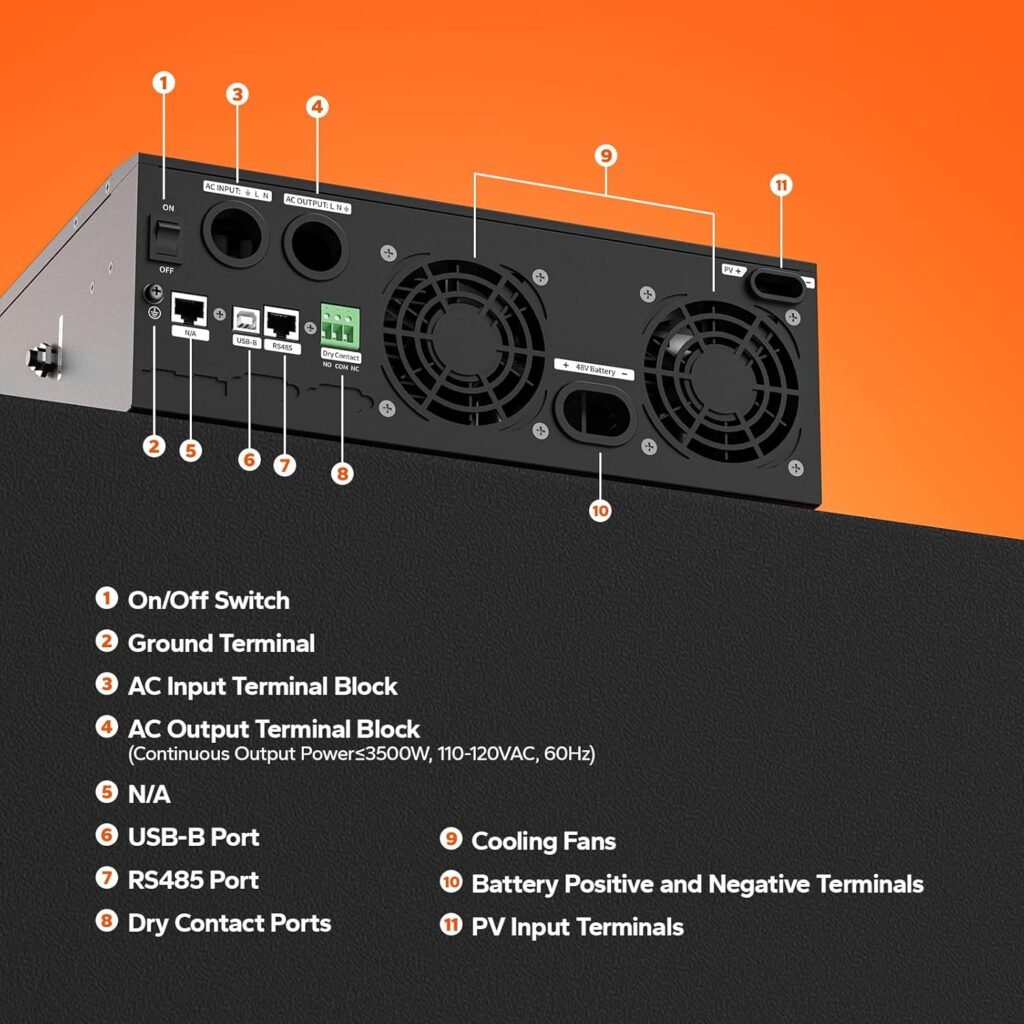
For more modern home energy setups, connectivity and data matter almost as much as raw power. The LiTime hybrid inverter supports RS485 communication for monitoring battery status, including:
- Undervoltage
- Overvoltage
- Overcurrent
With this communication capability, the inverter can coordinate more effectively with compatible battery systems and potentially feed data into broader monitoring solutions.
Real-Time Monitoring with the Built-In LCD
The front LCD screen gives us direct insight into our system’s status. We can view information such as:
- Battery voltage and state
- Solar input levels
- AC input and output status
- Operating mode and error codes
This local display is very useful if we want to walk up to the inverter and quickly see what is happening without needing a separate device. For troubleshooting and everyday checks, this built-in screen is a practical advantage.
Ideal Use Cases: Where This Inverter Shines
While we can use the LiTime 3500W Solar Hybrid Inverter in many situations, several use cases stand out as especially well suited.
Off-Grid Cabins and Remote Homes
For off-grid cabins or remote homes without reliable grid access, this inverter can serve as the heart of a solar-plus-battery system. We can mount it on a wall, connect our solar array and 48V battery bank, and then wire AC loads to it like a mini power plant.
The pure sine wave output, built-in MPPT, and flexible modes give us the control we need to balance daytime solar usage with nighttime battery draw. The compact all-in-one design also helps in small mechanical rooms or utility closets.
Home Energy Storage and Backup
In grid-tied homes, we can use this inverter as part of a home backup system. When the grid is up, we might choose a Utility Priority output mode to treat the system more like a UPS. During outages, the battery and inverter keep essential circuits running.
If we configure it for more active daily cycling, we can use solar and batteries to offset peak rates or evening usage, potentially cutting our electricity bill. The configurable modes help us tune it for cost savings in regions with time-of-use pricing.
Small Workshops, Sheds, and Outbuildings
For detached workshops, sheds, or small outbuildings where running new grid lines is expensive, a 48V solar and battery system anchored by this inverter can be an efficient solution. We can power lights, tools, and chargers off a dedicated off-grid system tied to the building.
The 3500W capacity provides enough power for many hobbyist or small professional setups, especially if we manage which tools and loads run at the same time. The surge capacity helps with starting motors in compressors or other equipment.
Practical Considerations for Installation
Although this inverter is designed to simplify installations, we still need to plan carefully. Proper sizing and wiring matter for safety and performance.
Sizing Our Battery Bank and Loads
To make good use of 3500W continuous output, we should consider:
- The total wattage of our typical loads
- Peak expected usage (for example, running a fridge, lights, and a few electronics together)
- Desired backup duration during an outage
For instance, if our average load during an outage is 800W and we want hours of autonomy, we would size our battery bank accordingly at 48V. This is where the inverter’s support for various battery types lets us pick a configuration that matches our needs and budget.
Solar Array Planning with 80A MPPT
When planning our solar array, we must keep the 80A charge controller limit in mind. We can calculate approximate maximum array wattage by considering the charging voltage and efficiency, then allowing a safety margin.
Depending on panel specs and wiring configuration, we can build a substantial array that will keep a 48V battery bank healthy. Designing string voltage within the controller’s allowable range is also crucial, so checking panel open-circuit voltage and temperature coefficients is important.
For many of us, consulting the manual or a qualified installer for array sizing and wiring confirmation will be worth the peace of mind.
Everyday Use and User Experience
In daily operation, we want a system that fades into the background and just works. This is where user experience details matter.
Living with the All-in-One Inverter
Once installed and configured, we can expect the LiTime 3500W inverter to:
- Automatically decide where to draw power from based on our selected modes
- Seamlessly switch to battery backup when the grid fails
- Charge batteries from solar, grid, or both, as configured
- Provide real-time info on system status via the LCD
That kind of automated behavior means we do not need to constantly tinker with settings. We can leave it mostly alone, checking it occasionally to confirm performance or to tweak modes as our patterns change.
Noise, Heat, and Location
Because of the built-in fans, we should plan a suitable installation location. A garage, utility room, or dedicated mechanical area usually works best. Placing it in a bedroom or quiet living area might not be ideal, especially when the fans ramp up under heavy load.
At the same time, we should ensure adequate ventilation around the unit. Proper airflow keeps the internal temperature in check and allows the intelligent cooling system to do its job well.
Pros and Cons of the LiTime 3500W Solar Hybrid Inverter
Every product has strengths and trade-offs. Laying them out helps us decide whether it suits our specific situation.
Advantages We Can Appreciate
-
All-in-one convenience
Inverter, MPPT controller, and charger in a single compact unit make planning and installation more straightforward. -
Pure sine wave output
Compatible with sensitive electronics and household appliances without the risk of noise or extra heat. -
Strong surge capability
Up to 6000W surge gives breathing room for starting motorized loads. -
80A MPPT built in
Efficient solar harvesting with good headroom for a sizable array. -
Flexible modes for charging and output
We can tailor the system to prioritize solar, grid, or battery depending on cost and reliability goals. -
UPS functionality
Fast transfer to battery keeps critical devices powered during outages. -
Wide battery compatibility
Works with 48V lead-acid, lithium, LiFePO4, and user-defined profiles, as well as LiTime’s own ComFlex batteries. -
Protective design
Short-circuit, overload, and over-temperature protection with intelligent cooling fans contribute to longevity and safety. -
Onboard monitoring and communication
LCD screen and RS485 support enable us to see what is happening and integrate with more advanced systems.
Potential Limitations to Consider
-
Single-phase 120V output
This is ideal for many North American-style circuits, but if we need 240V split-phase for heavy loads (like some well pumps or large HVAC units), we would need additional equipment or a different system design. -
48V system requirement
If we already have a 12V or 24V battery bank, we cannot directly use this inverter without reconfiguring or replacing the batteries. -
Installation know-how
While simpler than a multi-device system, it still requires correct wiring, overcurrent protection, and grounding. Some of us may prefer to involve a qualified electrician or solar installer. -
Fan noise in very quiet spaces
During heavy loads or high temperatures, fans will run more often, so the environment where we mount the unit matters.
Balancing these points against our project needs helps us decide whether this inverter is the best fit for our setup.
Who Is This Inverter Best Suited For?
Not every energy system needs a hybrid inverter of this type, but for certain users, it lines up very well with real-world requirements.
Great Fit for These Situations
-
Homeowners looking for backup and savings
If we want a combination of outage protection and the ability to cut our energy bills with solar and storage, this hybrid design gives us the tools to do that. -
Off-grid enthusiasts and cabin owners
Those of us building a self-reliant power setup away from the grid will find the integrated nature and 48V compatibility very attractive. -
DIY solar and storage builders
For experienced DIYers ready to tackle a 48V system, having an all-in-one inverter with MPPT simplifies the project and reduces guesswork. -
Small business and workshop owners
If we run a small shop where even short outages are disruptive, this can act as both a UPS and a solar-powered energy saver.
Might Not Be Ideal If
- We absolutely require 240V split-phase output for large loads without using a transformer or additional equipment.
- We are locked into a 12V or 24V battery system and do not plan to upgrade to 48V.
- Our energy demands are far beyond 3500W continuous for most of the day, requiring a larger or multi-inverter solution.
Knowing where this inverter fits in the broader landscape helps us align our expectations and plans.
Our Overall Impression and Final Thoughts
Looking at the LiTime 3500W Solar Hybrid Inverter, we see a thoughtfully integrated system geared toward real-world off-grid and backup use. The combination of a 48V pure sine wave inverter, 80A MPPT charge controller, and multi-mode charger in one compact package makes it an appealing centerpiece for a home energy storage setup.
The flexible charging and output modes stand out for us. They give us control over how and when we use solar, grid, and battery power, which is central to both cost savings and resilience. The built-in UPS function adds another layer of practical value by keeping our essential devices running without interruption when the grid goes down.
We also appreciate the wide battery compatibility, particularly the support for LiFePO4 and LiTime’s own 51.2V 100Ah ComFlex Edition battery. This helps us plan a system that can evolve over time, rather than being boxed into a single battery type forever.
The main trade-offs are tied to system design choices: 48V DC and 120V AC single-phase output. For many homes, cabins, and small shops, these are strengths, but for those needing 240V split-phase or hoping to reuse a lower-voltage battery bank, they may require additional considerations.
Putting it all together, if we are planning a 48V solar-and-battery system for off-grid living, home backup, or hybrid energy savings, the LiTime 3500W Solar Hybrid Inverter offers a strong blend of capability, convenience, and flexibility. It brings the core elements of a modern home energy system into one unit, helping us move a step closer to reliable, efficient, and more independent power.
Disclosure: As an Amazon Associate, I earn from qualifying purchases.