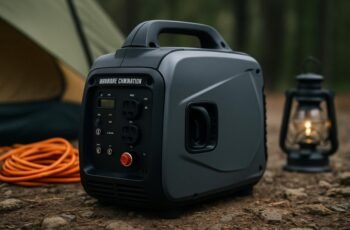
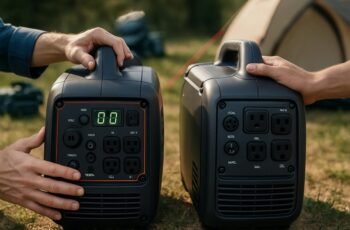
When we evaluate inverter generators, we see a clear trade-off between advanced technology and practical limitations. Their ability to deliver clean, efficient power while minimizing noise is impressive, especially for sensitive electronics. Yet, these benefits come with higher costs and more complex maintenance compared to traditional units. Understanding these nuances is essential before deciding which generator suits our specific needs and environments. Let’s explore how these factors weigh against each other.
Key Takeaways
- Inverter generators produce clean, stable power ideal for sensitive electronics with minimal harmonic distortion.
- They operate quietly with advanced sound-dampening, making them suitable for campsites and residential areas.
- Variable engine speeds improve fuel efficiency, reducing fuel consumption compared to traditional generators.
- Higher costs and limited maximum power output can restrict usage for high-demand applications.
- Maintenance is more complex due to advanced electronics, and added components can increase weight and reduce portability.
What Is an Inverter Generator and How Does It Work?
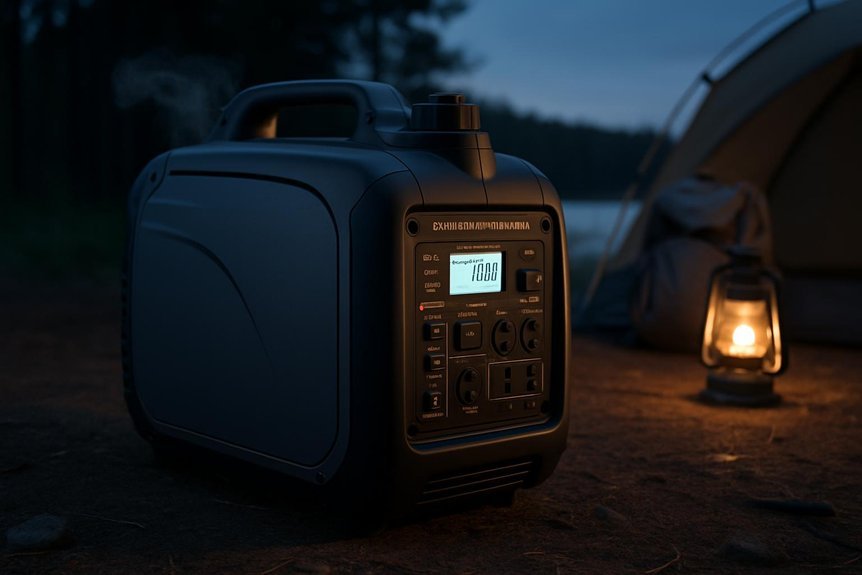
An inverter generator is a portable power source that converts raw mechanical energy into stable, clean electricity using advanced electronic circuitry. Unlike conventional generators, it integrates inverter technology to first produce AC power, then converts it to DC, and finally inverts it back to a precisely controlled AC output. This multi-stage process guarantees a consistent sine wave with minimal harmonic distortion, making it ideal for sensitive electronics. The design enhances power efficiency by adjusting engine speed based on load demand, reducing fuel consumption and emissions. By modulating frequency and voltage electronically, inverter generators maintain stable output regardless of fluctuations in load or engine speed. This technical sophistication distinguishes them from traditional generators, emphasizing both operational efficiency and reliability in various applications.
Key Benefits of Using Inverter Generators
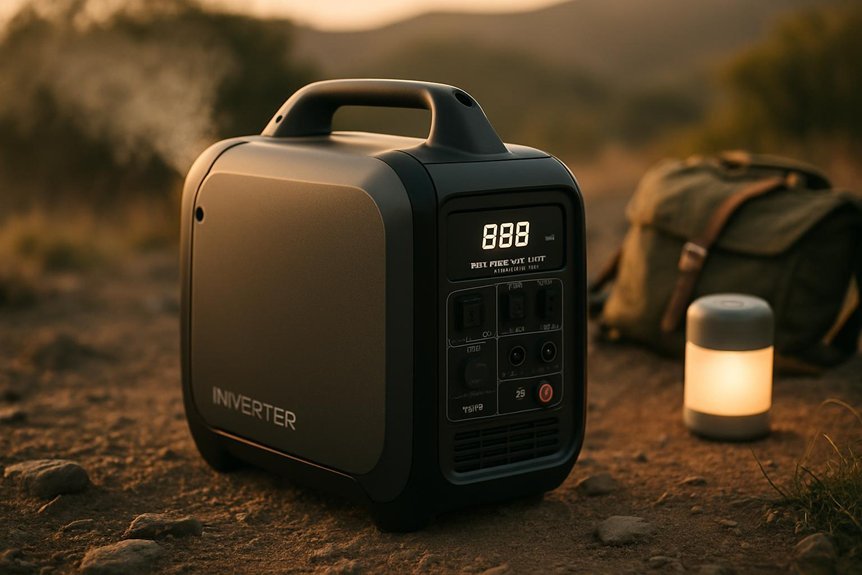
We gain several significant advantages when choosing inverter generators over traditional models, particularly regarding power quality, fuel efficiency, and operational noise. Their quiet operation suits noise-sensitive environments, while advanced fuel efficiency optimizes runtime and reduces costs. Additionally, inverter generators offer enhanced power versatility, delivering stable electricity for sensitive electronics. Portability options vary, often including compact, lightweight designs for easier transport.
| Benefit | Description | Impact |
|---|---|---|
| Quiet Operation | Reduced noise via inverter tech | Ideal for campsites, residential areas |
| Fuel Efficiency | Optimized engine speed control | Lower fuel consumption, extended use |
| Portability Options | Lightweight, compact designs | Enhanced mobility and storage |
| Power Versatility | Stable, clean power output | Safe for sensitive electronics |
| Emission Control | Advanced emissions management | Environmentally friendly |
Common Drawbacks and Limitations to Consider
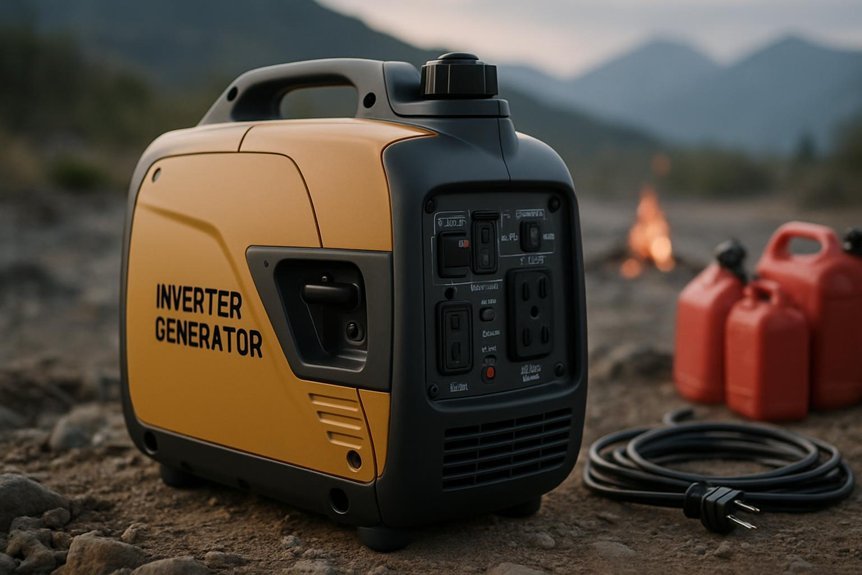
Although inverter generators offer numerous advantages, we must also acknowledge several common drawbacks and limitations that could affect their suitability for certain applications. Despite improved noise levels and fuel efficiency, inverter generators often come with higher price points compared to conventional models. Additionally, their power output tends to be lower, which may restrict usage for high-demand equipment. Portability issues arise due to added components that increase weight and complexity. Maintenance requirements can be more intricate, as advanced electronics need careful handling to avoid costly repairs. To summarize, key limitations include:
Inverter generators offer benefits but come with higher costs, lower power, and more complex maintenance.
- Elevated price comparison versus traditional units
- Limited maximum power output
- Increased weight impacting portability
- More complex maintenance requirements
- Noise levels still higher than some ultra-quiet alternatives
Understanding these factors helps us make informed choices.
How Inverter Generators Compare to Traditional Models
When comparing inverter generators to traditional models, we must evaluate key performance metrics such as power stability, fuel efficiency, and noise output. Inverter generators provide cleaner, more stable power with less harmonic distortion, essential for sensitive electronics. Their fuel efficiency surpasses traditional generators due to variable engine speeds adapting to load demand, reducing fuel consumption during partial loads. Noise levels are notably lower in inverter models because of sound-dampening technology and controlled engine speed, making them preferable in noise-sensitive environments. Traditional generators typically run at a constant speed regardless of load, resulting in higher fuel use and louder operation. While traditional units may offer higher peak power at a lower initial cost, inverter generators excel in delivering consistent, efficient, and quieter performance, reflecting advancements in generator technology.
Best Uses and Ideal Situations for Inverter Generators
Because inverter generators deliver stable, clean power with low noise and high fuel efficiency, they suit a range of specialized applications where these characteristics are critical. We find them ideal for situations requiring sensitive electronics and quiet operation. Their compact design and fuel economy make them perfect for:
- Camping adventures, powering devices without disturbing nature
- Emergency backup, guaranteeing reliable power during outages
- Outdoor events, maintaining low noise levels for comfort
- Home use, supporting essential appliances with clean electricity
- Mobile workstations, running laptops and tools efficiently
In each scenario, the inverter generator’s ability to modulate engine speed based on load reduces fuel consumption and noise, enhancing usability. This precision power delivery guarantees that sensitive electronics operate safely, making inverter generators indispensable in contexts demanding both performance and discretion.
How to Choose the Right Inverter Generator for Your Needs
Understanding the specific demands of your intended use helps us narrow down the features and specifications that matter most in an inverter generator. First, we assess wattage capacity to guarantee the unit meets or exceeds our power requirements without overspending. Fuel efficiency is equally critical, impacting operational cost and runtime, so we compare models on consumption rates. Noise levels must align with our environment; quieter units suit residential or recreational use. Portability options, such as weight and handles, influence transport ease, especially if frequent movement is needed. We also review brand comparisons, focusing on reliability and customer support. Finally, maintenance tips provided by manufacturers inform us about upkeep complexity and expenses. Balancing these factors leads to an informed, precise choice tailored to our power needs.
Frequently Asked Questions
How Do Inverter Generators Affect the Environment Compared to Other Generators?
We find inverter generators produce lower emission levels and reduce noise pollution compared to conventional models. Their advanced technology optimizes fuel use, making them more environmentally efficient and quieter, which benefits both air quality and surrounding ecosystems.
Can Inverter Generators Be Used Safely Indoors With Proper Ventilation?
Many acknowledge many doubt indoor safety with inverter generators, but with strict ventilation requirements and proper setup, they operate safely indoors. Their low noise levels and stable power output make them ideal for controlled environments.
What Maintenance Tasks Are Unique to Inverter Generators?
We focus on oil changes, filter cleaning, and fuel stabilization to keep inverter generators running smoothly. Battery maintenance and load testing guarantee reliability, while noise reduction checks maintain quiet operation—tasks unique to their advanced technology.
Are There Specific Brands Known for the Most Reliable Inverter Generators?
We trust Honda models for durability, appreciate Yamaha features enhancing efficiency, rely on Champion reliability for consistent performance, and value portability options across these brands, ensuring we choose inverter generators tailored to our technical and practical needs accurately.
How Do Inverter Generators Perform in Extreme Weather Conditions?
Inverter generators maintain performance reliability well in extreme weather, thanks to advanced temperature tolerance features. We’ve found they adapt efficiently to heat and cold, ensuring consistent power output without compromising engine stability or component durability.
Conclusion
As we navigate the landscape of power solutions, inverter generators stand out like precision instruments—quiet, efficient, and clean. While their higher cost and complexity may feel like a steep climb, the rewards in fuel savings and sensitive electronics protection are worth the ascent. By weighing their strengths against limitations, we can confidently choose the right model, ensuring reliable power that adapts seamlessly to our needs without compromise.