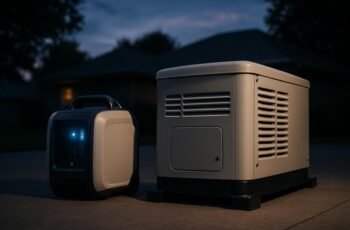
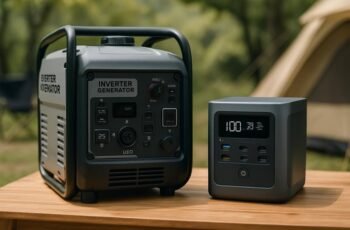
When it comes to choosing between inverter and propane generators, the decision isn’t as straightforward as it seems. Both have distinct operational mechanisms and fuel characteristics that impact efficiency, noise, and environmental footprint. We’ll explore how these differences translate into real-world benefits and drawbacks, helping us understand which option aligns better with our specific power needs and lifestyle. The answer, as always, depends on more than just fuel type alone.
Key Takeaways
- Inverter generators offer 20-30% better fuel efficiency by adjusting engine speed to the load compared to constant-speed propane generators.
- Propane generators produce fewer harmful emissions, making them more environmentally friendly than gasoline-powered inverter models.
- Inverter generators operate quieter (below 60 decibels) than propane generators, which typically run at 60-70 decibels.
- Propane fuel stores longer and safer than gasoline, but gasoline is more widely available, especially for remote locations.
- Inverter generators are lighter and more portable, while propane generators require careful fuel line maintenance and leak inspections.
How Inverter Generators and Propane Generators Work Differently
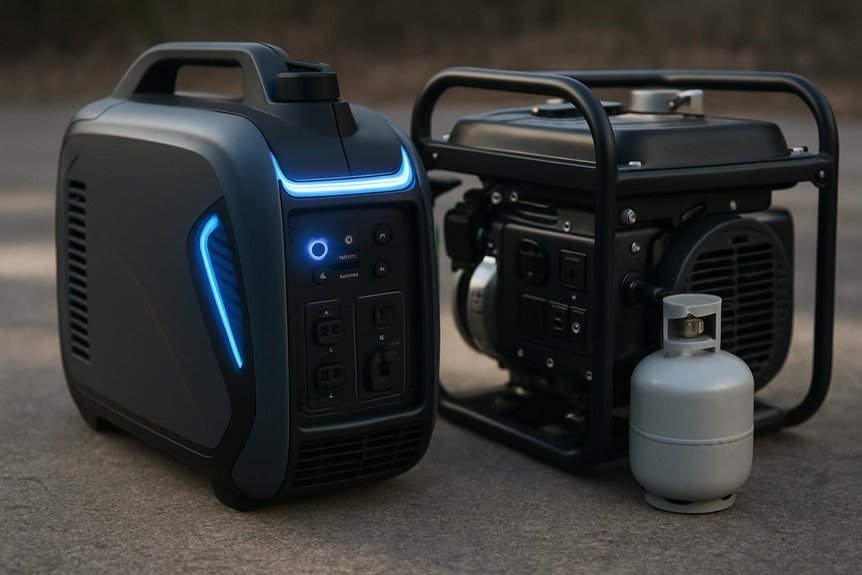
Although both inverter generators and propane generators serve the purpose of providing electrical power, they operate on fundamentally different principles. Inverter generators use advanced generator mechanics, converting AC power to DC and then inverting it back to stable AC, delivering consistent voltage and frequency. This process optimizes fuel efficiency by adjusting engine speed to match the load, reducing unnecessary fuel consumption. On the other hand, propane generators rely on conventional generator mechanics, where a combustion engine runs at a constant speed, typically 3600 RPM, to generate AC power directly. While propane as a fuel can be cleaner-burning, these generators often lack variable engine speed control, resulting in less efficient fuel use under varying loads. Understanding these mechanical distinctions is key to evaluating performance and operational costs.
What Makes Inverter Generators Ideal for Quiet, Efficient Power
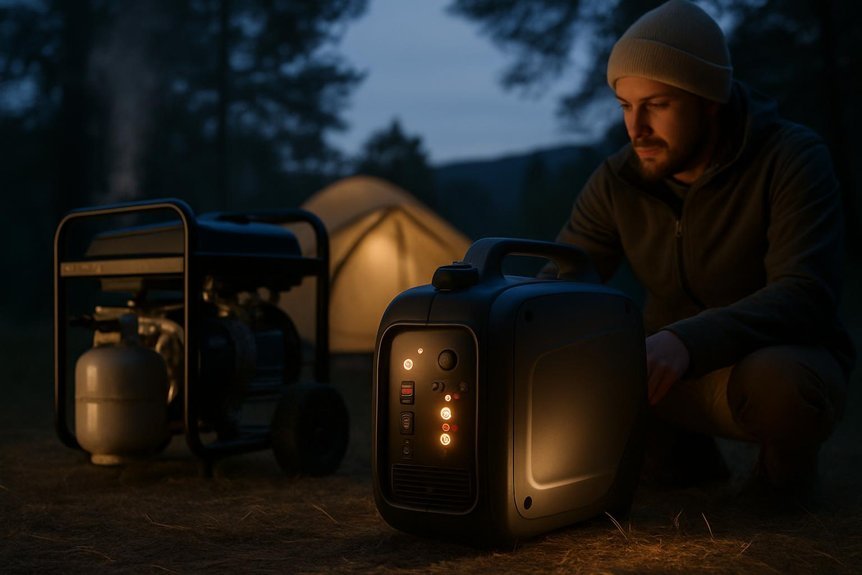
Let’s examine how inverter generators achieve considerably lower noise levels, often measured below 60 decibels, compared to conventional models. Their ability to adjust engine speed based on load reduces fuel consumption by up to 30%, enhancing efficiency. These features make them particularly suitable for applications requiring quiet and economical power output.
Noise Reduction Benefits
Because inverter generators modulate engine speed based on power demand, they produce considerably less noise compared to traditional propane generators running at a constant speed. This variable speed operation markedly reduces mechanical noise and exhaust sound levels. Additionally, inverter generators often incorporate advanced noise insulation materials and design features that further dampen sound emissions. These improvements help meet or exceed strict sound regulations, making inverter generators suitable for residential areas and noise-sensitive environments. In contrast, propane generators typically operate at a fixed RPM, generating consistent and higher noise levels. By reducing noise pollution, inverter generators enhance user comfort and minimize disturbance. When noise reduction is a priority, inverter technology clearly offers measurable advantages through both quieter operation and superior noise insulation strategies.
Fuel Efficiency Advantages
Many inverter generators adjust their engine speed dynamically to match the exact power demand, which greatly improves fuel efficiency compared to propane generators running at a constant RPM. This variable speed operation reduces unnecessary fuel consumption, resulting in lower overall fuel costs. In fuel consumption comparison tests, inverter generators typically show 20-30% better efficiency ratings than their propane counterparts under similar load conditions. Propane generators often operate at full throttle regardless of load, leading to wasted fuel when power demand is low. Additionally, inverter generators’ electronic controls optimize combustion, further enhancing fuel economy. While propane offers cleaner emissions, its fuel consumption rates tend to be higher during partial loads. Consequently, if maximizing fuel efficiency and reducing operating costs are priorities, inverter generators present a more technically efficient solution than traditional propane generators.
Why Propane Generators Offer Cleaner Fuel and Easier Storage
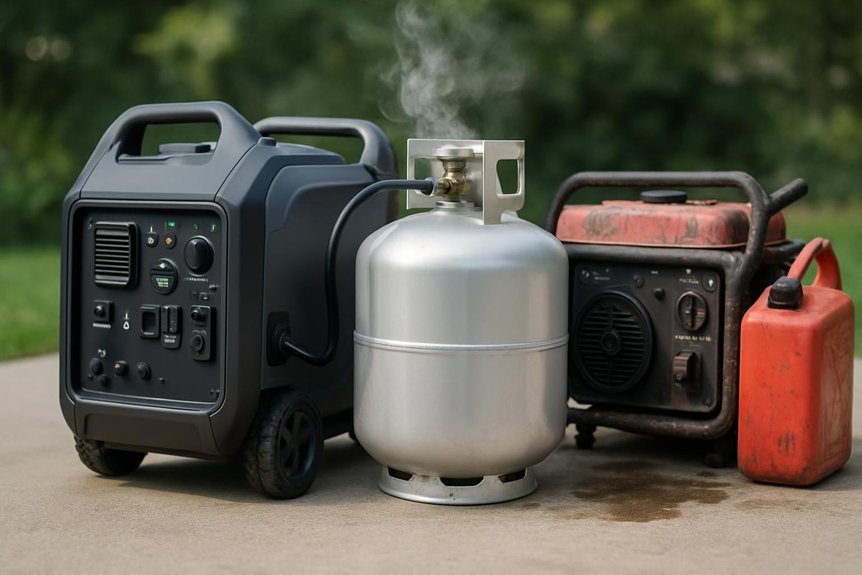
Let’s examine how propane generators produce considerably lower emissions compared to gasoline engines, reducing environmental impact. Propane’s clean-burning properties lead to less carbon monoxide and particulate matter, which aligns with stricter air quality standards. Additionally, propane tanks offer longer shelf life and safer storage options, minimizing fuel degradation and spill risks.
Emissions and Environmental Impact
While evaluating emissions and environmental impact, we find that propane generators consistently produce fewer pollutants than inverter generators running on gasoline. Propane combustion results in lower carbon monoxide (CO), nitrogen oxides (NOx), and particulate matter emissions, aligning more easily with stricter emission standards and environmental regulations. Gasoline engines often emit higher levels of volatile organic compounds (VOCs) and hydrocarbons, contributing to smog formation and increased greenhouse gas output. Additionally, propane’s cleaner burn reduces engine deposits, improving efficiency and lowering maintenance-related environmental burdens. From a regulatory perspective, propane generators typically face fewer compliance challenges due to their reduced pollutant output, making them a more environmentally responsible choice. By prioritizing fuel types that meet or exceed emission standards, we can minimize our ecological footprint while maintaining reliable power generation.
Storage Convenience and Safety
Because propane is stored as a liquid under pressure in sealed tanks, it offers significant advantages in fuel storage convenience and safety compared to gasoline. Propane’s sealed storage minimizes evaporation and reduces the risk of leaks, making it more stable over long periods. In contrast, gasoline requires airtight containers and degrades faster, complicating fuel storage. From a safety perspective, propane tanks include pressure relief valves and standardized fittings, which lower the likelihood of accidental spills or fires. Gasoline demands stricter safety precautions due to its higher volatility and flammability. Additionally, propane’s cleaner combustion reduces residue buildup in generators, contributing to safer operation. Considering these factors, propane generators provide a more manageable and secure fuel storage solution, especially for users prioritizing long-term reliability and adherence to safety precautions.
Comparing Fuel Costs: Gasoline vs Propane for Generators
Although both gasoline and propane serve as common fuel sources for generators, their cost structures differ considerably based on market fluctuations, storage requirements, and energy content. When conducting a fuel price comparison, gasoline typically shows more price volatility due to crude oil market dynamics, while propane prices remain relatively stable but can be higher per gallon. Propane contains less energy per gallon than gasoline—about 73,000 BTUs versus 114,000 BTUs—impacting cost efficiency. Regional fuel availability also affects pricing; gasoline is widely accessible in most areas, whereas propane access may be limited in some regions, potentially increasing costs. Considering these factors, propane often offers cost predictability, while gasoline may provide lower upfront costs depending on local market conditions. Our analysis highlights the importance of evaluating both fuel price trends and regional supply when choosing your generator’s fuel type.
How Runtime and Refueling Needs Differ Between Inverter and Propane Models
When comparing inverter and propane generators, understanding their runtime and refueling requirements is essential for effective usage planning. In a runtime comparison, propane generators typically run longer per fuel unit due to propane’s higher energy density and cleaner combustion. This efficiency often translates to fewer refueling interruptions during extended use. Conversely, inverter generators, usually powered by gasoline, have shorter runtimes per tank but can be quicker to refuel due to gasoline’s widespread availability. Refueling frequency depends on tank size and load; propane models often have larger tanks or connect to external tanks, minimizing refueling needs. Meanwhile, inverter generators require more frequent stops to replenish fuel. By analyzing runtime comparison and refueling frequency, we can better match generator selection to our operational demands and convenience preferences.
Which Generator Type Is Best for Camping and Outdoor Use?
When choosing a generator for camping and outdoor use, we need to take into account portability and weight, as lighter models ease transport and setup. Noise levels also play a critical role since quieter generators minimize disturbance in natural settings. Additionally, fuel availability impacts convenience, with propane often easier to source in remote areas compared to gasoline.
Portability and Weight
Anyone who’s planned a camping trip knows that portability and weight are critical factors in choosing a generator. When comparing inverter and propane generators, weight distribution and portability features often determine ease of transport. Inverter generators typically weigh less, averaging 40-60 pounds, while propane generators range from 60-100 pounds. Key portability considerations include:
- Compact design for tight packing
- Balanced weight distribution to reduce strain
- Integrated handles or wheels for maneuverability
- Fuel storage convenience influencing overall weight
- Durability of portability features under outdoor conditions
Inverter generators’ lightweight frames and ergonomic handles make them better suited for backpacking or small vehicle transport. Propane models, while heavier, may have wheels but can be cumbersome in rough terrain. Evaluating these factors helps us choose the most practical generator for camping and outdoor use.
Noise Levels Outdoors
Portability and weight play a significant role in selecting a generator for outdoor activities, but noise levels also heavily impact the overall camping experience. Inverter generators typically produce between 50 to 60 decibels, comparable to a normal conversation, which minimizes noise pollution and enhances outdoor comfort. Propane generators, while cleaner-burning, often operate louder, averaging around 60 to 70 decibels, which can disrupt the tranquility of natural settings. Given that noise pollution affects not only our comfort but also local wildlife, inverter generators are generally better suited for camping environments where maintaining peace is vital. They use advanced inverter technology to modulate engine speed, reducing sound output. As a result, if minimizing noise pollution and maximizing outdoor comfort are priorities, inverter generators stand out as the superior choice for camping and outdoor use.
Fuel Availability Camping
Although both inverter and propane generators offer reliable power, their fuel availability greatly influences their suitability for camping and outdoor use. When evaluating fuel sourcing and campsite accessibility, propane generators benefit from longer shelf life and cleaner storage, while inverter generators rely on gasoline’s widespread availability but face issues with fuel degradation.
Key points to reflect on:
- Propane tanks are lightweight, easy to transport, and refill at select campsites.
- Gasoline is commonly available but may be restricted in remote areas.
- Propane’s stable storage makes it ideal for extended trips.
- Gasoline-powered inverters may require fuel stabilizers for long-term storage.
- Campsite accessibility to propane refills is limited compared to gasoline availability.
Ultimately, we recommend matching your generator choice with your typical campsite’s fuel infrastructure for maximum convenience.
Choosing the Right Generator for Home Backup Power Needs
How do we determine the best generator type for reliable home backup power? First, we analyze our power requirements by listing critical appliances and their wattage. This guarantees we don’t undersize or oversize the generator. Accurate generator sizing is essential to handle startup surges and continuous load without risking failure. Inverter generators typically offer cleaner power ideal for sensitive electronics, while propane generators provide longer run times and fuel stability. Considering efficiency, runtime, and fuel storage helps us match the generator to our backup needs. By quantifying load demands and comparing inverter versus propane options, we make an informed choice that balances performance, reliability, and cost-effectiveness for home backup applications.
Maintenance Tips for Inverter Generators Versus Propane Generators
Once we select the appropriate generator type based on power needs and fuel preferences, maintaining it properly guarantees consistent performance and longevity. Both inverter and propane generators require adherence to specific maintenance schedules to prevent common repairs like fuel line clogs or spark plug degradation. Here are key maintenance tips:
- Regularly check and replace air filters to promote ideal airflow.
- Inspect spark plugs for wear and carbon buildup every 100 hours of operation.
- For propane generators, examine fuel lines and fittings for leaks or cracks.
- Change engine oil after the first 20 hours, then every 100 hours or annually.
- Run the generator monthly to keep internal components lubricated and fuel fresh.
Following these steps reduces downtime and extends your generator’s functional lifespan effectively.
Safety Considerations When Using Inverter and Propane Generators
When we operate inverter and propane generators, prioritizing safety protocols is essential to prevent accidents and equipment damage. From a generator safety perspective, proper ventilation is critical to avoid carbon monoxide buildup, which remains a leading cause of generator-related fatalities. We must also guarantee that both generator types are grounded correctly to mitigate electrical hazards. Regarding fuel handling, propane requires secure storage in approved tanks to prevent leaks, while gasoline or diesel used in inverter generators demands careful containment to reduce fire risk. Regular inspection of fuel lines and connections helps detect leaks early. Additionally, we should follow manufacturer guidelines for operation and maintenance to maintain safe performance. By adhering to these data-driven safety measures, we reduce risks and enhance reliable generator use in various settings.
How to Decide Which Generator Fuel Type Fits Your Lifestyle and Budget?
Balancing safety with practical considerations leads us to evaluate which generator fuel type aligns best with our lifestyle and budget. To make an informed decision, we must analyze key lifestyle factors alongside budget constraints. Here’s what to weigh:
- Frequency of use: Inverter generators suit frequent, portable use; propane generators excel in long-term storage and emergency backup.
- Fuel availability: Propane offers stable storage, while gasoline for inverters may degrade over time.
- Initial cost vs. operating cost: Inverters usually cost more upfront but run more efficiently; propane generators have lower fuel costs but higher maintenance.
- Noise levels: Inverter generators operate quieter, fitting residential areas better.
- Environmental impact: Inverters produce fewer emissions, aligning with eco-conscious lifestyles.
Frequently Asked Questions
Can Inverter Generators Power Sensitive Electronics Without Damage?
Yes, we can rely on inverter generators to provide stable power quality, ensuring electronic safety. Their advanced technology minimizes voltage fluctuations and harmonic distortion, protecting sensitive electronics from damage during operation and maintaining consistent performance.
Are Propane Generators Suitable for Cold Weather Operation?
Wondering if propane generators handle cold weather performance well? Yes, they do, thanks to propane efficiency and vaporization properties. However, extremely low temperatures may require additional measures like tank warming for peak operation.
How Loud Are Inverter Generators Compared to Traditional Gas Generators?
We find inverter generators produce markedly lower noise levels, typically 40-60 dB, compared to traditional gas generators reaching 70-90 dB. This reduction stems from advanced technology and efficient engine speed adjustments across generator types.
What Are the Environmental Impacts of Propane Versus Gasoline Generators?
It is understood that propane emissions are generally lower in carbon monoxide and hydrocarbons, while gasoline pollution releases more nitrogen oxides and particulate matter. Choosing propane reduces environmental impact, making it a cleaner option for generator fuel.
Can I Convert a Gasoline Generator to Run on Propane?
Yes, we can convert a gasoline generator to propane using a conversion kit. The conversion process involves installing a regulator and carburetor adapter, enhancing fuel efficiency and reducing emissions, though performance may vary depending on the generator model.
Conclusion
When deciding between inverter and propane generators, let’s weigh efficiency, noise, and fuel storage. For example, a family using an inverter generator during frequent power outages benefited from quieter operation and longer runtimes thanks to fuel efficiency. Meanwhile, a remote cabin owner preferred propane for its cleaner emissions and easy long-term storage. Ultimately, understanding your specific power needs, budget, and environment helps us choose the most practical, cost-effective generator fuel type.