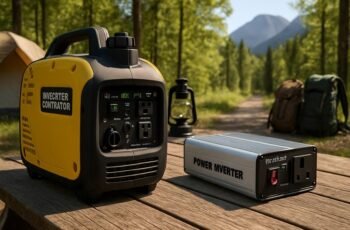
When choosing between inverter and diesel generators for long-term power, we need to analyze more than just upfront costs. Each type operates differently, impacts fuel efficiency, noise, and maintenance in distinct ways. Understanding these factors is essential to match a generator’s capabilities with our specific power demands and environment. But which option truly offers the best balance for sustained use? Let’s explore the technical differences and practical implications before deciding.
Key Takeaways
- Diesel generators provide reliable, continuous high power output, making them better suited for long-term heavy load applications.
- Inverter generators excel in fuel efficiency and lower operational costs during variable or light load conditions over time.
- Diesel generators have longer lifespans but require more frequent, skilled maintenance, increasing long-term service expenses.
- Inverter generators operate quieter and produce fewer emissions, offering environmental advantages for extended use in sensitive settings.
- Choosing the best generator depends on load consistency, maintenance capacity, fuel availability, and environmental priorities for long-term needs.
How Inverter Generators and Diesel Generators Work Differently
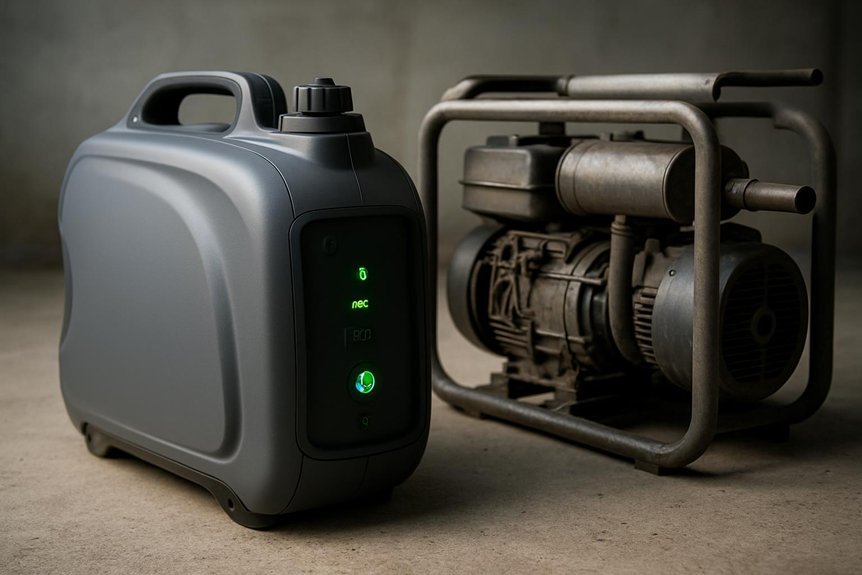
When comparing inverter generators and diesel generators, understanding their fundamental operational differences is crucial. Inverter generators use advanced inverter technology that converts raw AC power into stable DC current, then back to clean AC power with consistent frequency and voltage. This process guarantees high-quality, stable electricity ideal for sensitive electronics. Conversely, diesel generators rely on traditional diesel mechanics, where fuel combustion drives a piston engine connected directly to an alternator producing AC power. This mechanical approach produces a steady power output but often with voltage fluctuations and noise. Inverter technology allows generator engines to adjust speed dynamically based on load demand, enhancing efficiency and reducing emissions. Diesel mechanics, however, typically run at constant speeds regardless of load. By grasping these operational distinctions, we can better assess which generator suits specific power needs.
Comparing Fuel Efficiency and Running Costs of Both Generators
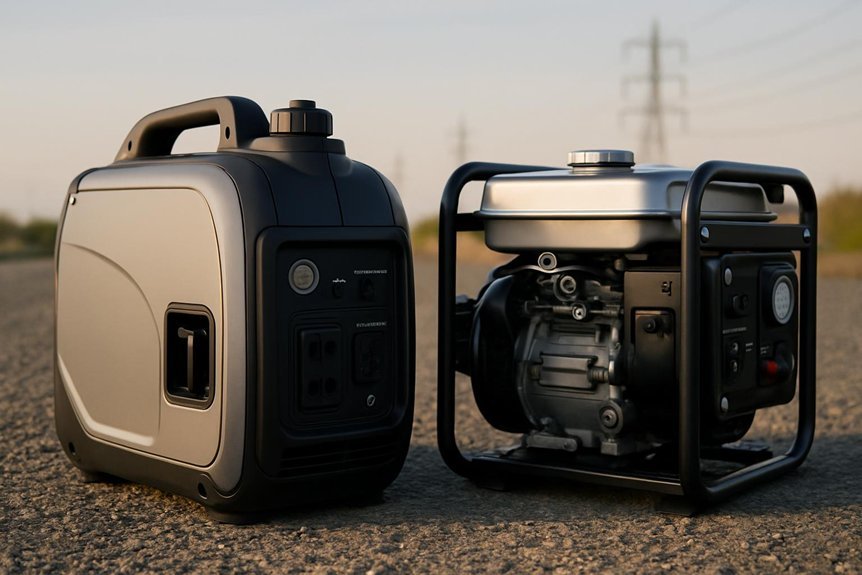
Let’s examine how fuel consumption varies between inverter and diesel generators to understand their operational efficiency. We’ll also analyze maintenance and repair costs to assess their impact on overall running expenses. By comparing these factors, we can evaluate long-term operational costs more accurately.
Fuel Consumption Comparison
Although both inverter and diesel generators serve the same primary function, their fuel consumption rates differ markedly, impacting overall operational costs. Diesel generators use diesel fuel, which typically offers higher energy density and better efficiency ratings under continuous heavy loads. In contrast, inverter generators rely on gasoline, consuming less fuel during variable power demands due to their ability to modulate engine speed. When analyzing running hours, diesel units tend to consume more fuel per hour at full load but maintain consistent efficiency over extended operation. Conversely, inverter generators optimize fuel use in fluctuating usage scenarios, reducing waste during light loads. A detailed cost analysis reveals that fuel type and power demands markedly influence long-term expenses, making inverter generators more economical for intermittent use, while diesel is preferable for sustained heavy power needs.
Maintenance and Repair Costs
Since fuel efficiency directly affects how often we need to service our generators, comparing maintenance and repair costs between inverter and diesel models reveals important operational insights. Inverter generators generally have lower repair frequency due to simpler engines and advanced electronics, reducing service costs. Part availability for inverters is usually good, and their design often supports DIY maintenance, lowering expenses further. Diesel generators, however, require more technician expertise because of higher repair complexity and frequent servicing needs. While diesel parts may be widely available, repair costs tend to be higher due to labor intensity. Warranty coverage varies but typically aligns with lifespan comparison; diesel units last longer but may incur more costly repairs. Evaluating these factors helps us choose the best generator for sustained, cost-effective power supply.
Long-Term Operational Expenses
Understanding maintenance and repair costs sets the stage for evaluating long-term operational expenses, where fuel efficiency and running costs play a significant role. When we analyze operational efficiency, inverter generators typically consume less fuel due to their variable engine speed, adjusting power output to demand. This results in reduced fuel consumption and lower running costs over time. Conversely, diesel generators operate at a constant speed regardless of load, leading to higher fuel usage and increased expenses. Our cost analysis shows that while diesel fuel may be cheaper per liter, the overall consumption often outweighs this benefit in continuous or variable-load applications. As a result, from an operational efficiency standpoint, inverter generators offer a more cost-effective solution for long-term use, especially when factoring in fluctuating power demands and fuel price volatility.
Noise Levels and Environmental Impact of Inverter vs Diesel Generators
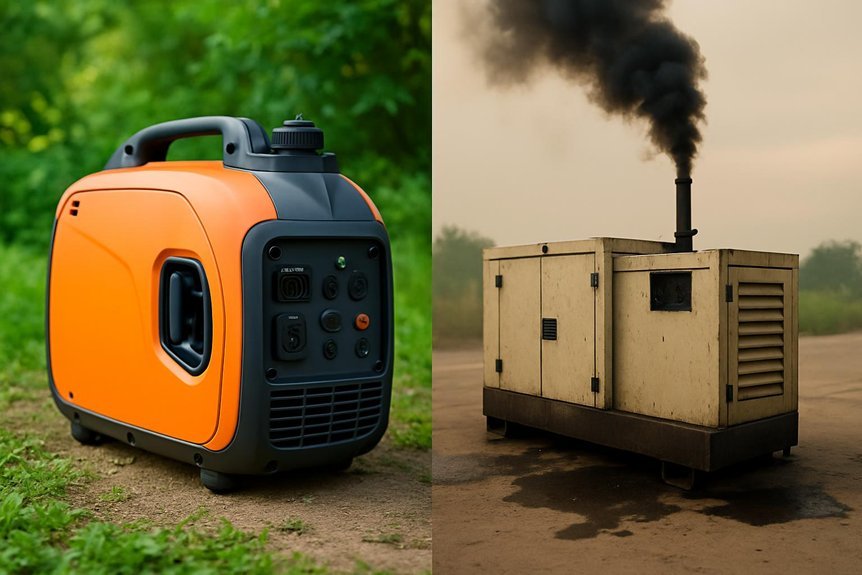
Let’s examine how inverter and diesel generators differ in noise emissions and their environmental footprints. We’ll assess their compliance with emission regulations and the resulting impact on air quality and noise pollution. Understanding these factors helps us evaluate their suitability for various applications and regulatory environments.
Noise Emission Comparison
When we compare noise emissions from inverter and diesel generators, we find distinct differences in both decibel levels and environmental impact. Inverter generators typically operate at lower noise levels, thanks to advanced noise reduction technology, sound insulation, and vibration control mechanisms. This makes them ideal for residential use and outdoor activities where comfort levels and community regulations matter. Diesel generators, conversely, emit higher noise levels, often suited for industrial settings but less favorable in noise-sensitive environments. Key considerations include:
- Inverter generators produce 40-60 dB versus diesel’s 70-90 dB.
- Sound insulation in inverters enhances quiet operation.
- Vibration control reduces mechanical noise in inverter units.
- Diesel generators may require additional noise barriers to meet community regulations.
This analysis highlights why inverter generators are preferable where noise is a critical factor.
Environmental Footprint Differences
Noise emissions represent just one facet of the environmental footprint of inverter and diesel generators. When comparing these, we see inverter generators typically produce notably lower carbon emissions due to their efficient fuel consumption and advanced engine management systems. Diesel generators, while robust, tend to emit higher levels of pollutants and carbon dioxide, impacting local air quality and contributing to greenhouse gases. From a sustainability practices standpoint, inverter generators align better with eco-friendly goals by optimizing power output and reducing fuel waste. Conversely, diesel generators often require frequent maintenance and generate more hazardous waste, complicating disposal and environmental management. Overall, inverter generators offer a more sustainable solution for long-term power needs, balancing quieter operation with reduced environmental impact.
Emission Regulations Impact
Although inverter and diesel generators serve similar functions, emission regulations have a significant impact on their design and operation, especially concerning noise levels and environmental output. Emission standards and regulatory compliance drive manufacturers to optimize combustion efficiency and install advanced after-treatment systems in diesel generators. In contrast, inverter generators inherently produce lower emissions due to cleaner fuel combustion and electronic modulation.
Key considerations include:
- Diesel generators face stricter emission standards requiring costly upgrades.
- Inverter generators emit fewer pollutants, easing regulatory compliance.
- Noise levels in inverter generators are substantially lower due to quieter engines and sound-dampening designs.
- Regulatory frameworks increasingly favor low-emission, low-noise technologies to minimize environmental impact.
Understanding these factors helps us evaluate long-term sustainability and operational costs for each generator type under evolving emission regulations.
Power Output and Performance for Long-Term Use Cases
Since we often rely on continuous power supply for critical applications, evaluating the power output and performance of inverters and diesel generators over extended periods becomes essential. Diesel generators provide steady, high power output suited for heavy load management, maintaining power reliability even under fluctuating demands. Their robust engines handle prolonged operation without significant dips in performance. In contrast, inverter generators excel in delivering clean, stable power ideal for sensitive electronics but may face limitations in sustaining peak loads continuously. Their advanced electronics enhance fuel efficiency and voltage regulation, yet extended high-load use can challenge their operational capacity. Consequently, for long-term use cases requiring consistent high power and load variability, diesel generators typically offer superior power reliability, whereas inverters are best for moderate, stable loads with sensitivity to power quality.
Maintenance Needs and Durability of Inverter and Diesel Generators
Understanding how both inverter and diesel generators perform over time requires a close look at their maintenance demands and durability. Diesel generators generally have a longer generator lifespan due to robust construction and heavy-duty components but require higher maintenance frequency, including regular oil changes, filter replacements, and fuel system checks. In contrast, inverter generators, while offering lower maintenance frequency, often have a shorter lifespan because of more delicate electronics.
Key considerations include:
Key considerations include maintenance frequency, electronic care, fuel impact, and environmental effects on durability.
- Diesel units need frequent preventive maintenance to guarantee longevity.
- Inverter generators’ electronic components demand careful handling and occasional software updates.
- Fuel type affects engine wear and maintenance intervals.
- Environmental conditions influence both types’ durability and maintenance schedules.
Choosing the Right Generator Based on Your Long-Term Power Needs
When we evaluate our long-term power needs, selecting the right generator means balancing factors like energy output, fuel efficiency, maintenance capacity, and operational environment. Generator sizing must align precisely with our energy demands to avoid inefficiency or power shortages. Evaluating load profiles and runtime expectations guides this decision.
| Factor | Inverter Generator | Diesel Generator |
|---|---|---|
| Generator Sizing | Ideal for variable, lower energy demands | Suitable for high, constant loads |
| Fuel Efficiency | High, especially at partial loads | Efficient under continuous heavy loads |
| Maintenance Capacity | Lower, simpler upkeep | Requires skilled, regular servicing |
Frequently Asked Questions
Can Inverter Generators Be Used Indoors Safely?
We can’t recommend using inverter generators indoors due to indoor safety risks. Proper generator ventilation is essential to prevent carbon monoxide buildup, so it’s best to operate them outdoors in well-ventilated areas to guarantee safe usage.
Are Diesel Generators Suitable for Sensitive Electronic Devices?
Diesel generators can be a double-edged sword for sensitive electronics; their power quality often fluctuates, and noise levels are high. We recommend using filters or conditioners to protect devices and guarantee consistent, clean power output.
What Is the Typical Lifespan of Inverter Generator Batteries?
We find inverter generator batteries typically last 3 to 5 years, depending on battery maintenance quality. Compared to diesel generators, their lifespan is shorter, so regular upkeep is essential to maximize performance and avoid premature failure.
How Do Generators Perform in Extreme Weather Conditions?
We’ve found that generator efficiency can drop in extreme cold or heat, but models with enhanced weather durability maintain performance. Proper insulation and weatherproofing are essential to guarantee consistent power output despite harsh environmental conditions.
Are There Any Financing Options for Purchasing These Generators?
When a small business needed reliable power, they used financing plans and generator loans to spread costs. We often find these options help buyers manage upfront expenses while securing long-term generator performance efficiently and affordably.
Conclusion
When deciding between inverter and diesel generators for long-term use, we must weigh fuel efficiency, noise, and durability. For example, a remote research station relying on sensitive equipment benefits from quiet, efficient inverter generators despite shorter lifespan. In contrast, a construction site with heavy, continuous loads favors diesel generators for their robust power and longevity. Ultimately, matching the generator type to your specific load demands and environment guarantees peak performance and cost-effectiveness over time.