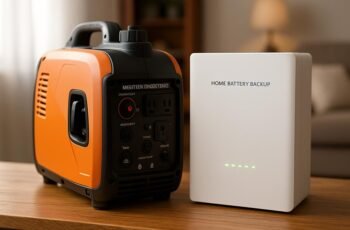
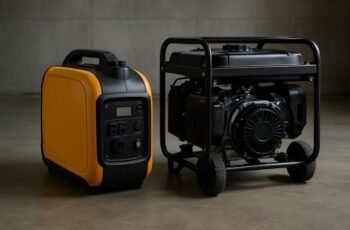
Like choosing the right shield in a battle, selecting between inverter generators and UPS systems hinges on understanding their distinct strengths. Both offer protection, but their approaches to power delivery and device safety differ markedly. As we examine how each system responds to outages and safeguards sensitive electronics, we’ll uncover which solution truly stands up to the demands of various backup scenarios. The answer isn’t as straightforward as it might seem.
Key Takeaways
- UPS systems provide instantaneous, clean, and stable power ideal for protecting sensitive electronics during short outages.
- Inverter generators deliver sustained, high-quality power suited for longer outages and higher power demands.
- UPS units operate silently and are compact, making them preferable for indoor, noise-sensitive environments.
- Inverter generators, though noisier and heavier, offer portability and versatility for outdoor and extended use.
- Properly matching device power needs ensures optimal protection, with UPS for critical electronics and generators for larger loads.
How Inverter Generators Work to Protect Your Devices
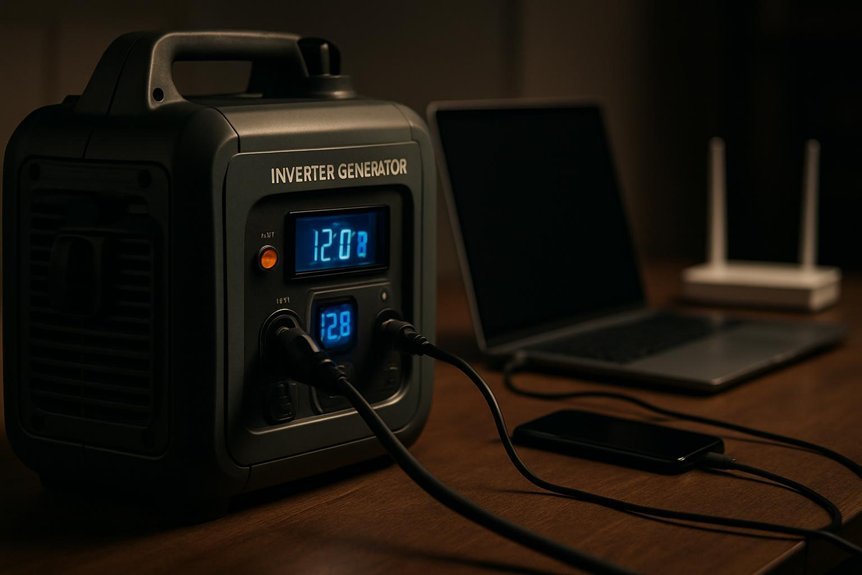
Inverter generators protect your devices by producing clean and stable electrical output through advanced electronic circuitry. By leveraging inverter technology, they convert the raw power from the engine into consistent, high-quality AC electricity, ensuring power stability and precise voltage regulation. This process minimizes harmonic distortion, which is essential for sensitive electronics. Additionally, their integrated surge protection shields devices from harmful voltage spikes. We appreciate their optimized load management, which adjusts engine speed to demand, enhancing fuel efficiency and extending runtime capacity. Safety features such as automatic shutoff during low oil or overload conditions further safeguard both the generator and connected equipment. Overall, inverter generators offer a technically robust and efficient solution that balances consistent power delivery with protective mechanisms, making them reliable for safeguarding sensitive devices.
What UPS Systems Do During Power Outages
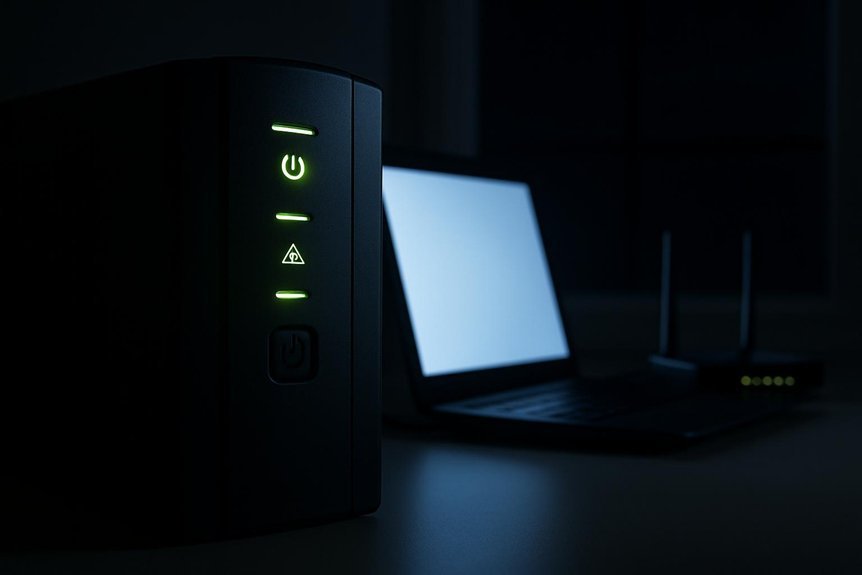
While inverter generators focus on producing stable and clean power to protect our devices during operation, UPS systems take a different approach when the power goes out. UPS units immediately detect the outage and switch to battery power without interruption, ensuring continuous operation. Their outage response time is nearly instantaneous, preventing data loss and hardware damage. The effectiveness of this response heavily depends on battery efficiency; high-efficiency batteries extend backup duration and maintain stable voltage output. UPS systems regulate power by converting stored DC energy to AC, providing clean and consistent power during outages. This seamless shift and precise voltage control make UPS systems ideal for protecting sensitive electronics during short-term power failures, relying primarily on battery capacity and management to sustain devices until main power restoration or proper shutdown.
Comparing Power Delivery: Inverter Generators vs UPS Systems
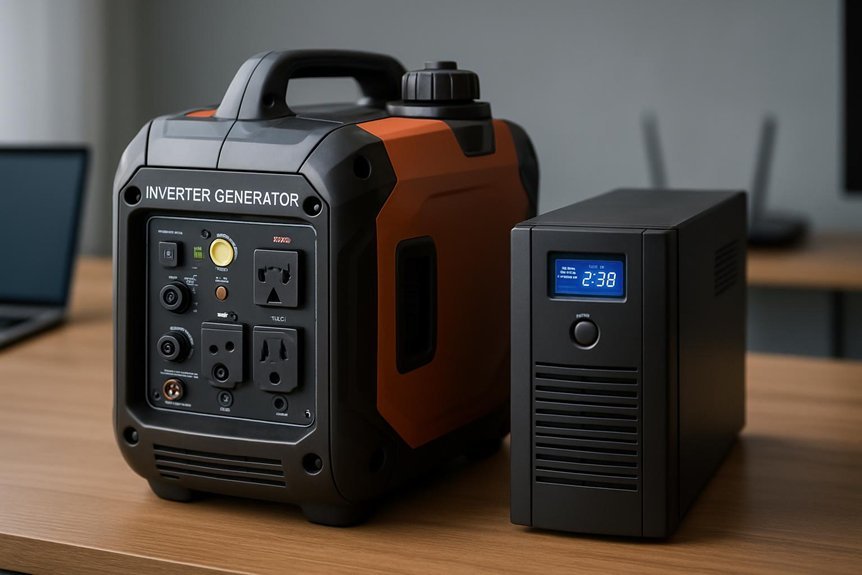
Although both inverter generators and UPS systems aim to provide reliable power during outages, they deliver energy through fundamentally different mechanisms. Inverter generators convert mechanical energy into electrical power, adapting frequency and voltage dynamically, which allows for higher load capacity with stable output. Their efficiency ratings depend on fuel consumption and load management, typically excelling under moderate to heavy loads. Conversely, UPS systems rely on battery-stored energy, offering instantaneous power transfer with minimal voltage fluctuations, ideal for sensitive electronics. However, their load capacity is limited by battery size and inverter design, often resulting in lower efficiency ratings during extended use. By analyzing these factors, we see inverter generators suit higher load demands and longer runtimes, while UPS systems prioritize clean, immediate power with restricted capacity.
Which Backup Solution Suits Short vs Long Power Outages?
Understanding the power delivery characteristics of inverter generators and UPS systems helps us determine their suitability for different outage durations. For short outages, UPS systems excel by providing instant power, guaranteeing uninterrupted operation for critical devices. In contrast, inverter generators are better suited for long outages, offering sustained power but requiring a brief startup time.
| Backup Solution | Short Outages | Long Outages | Power Needs | Usage Scenarios |
|---|---|---|---|---|
| UPS Systems | Immediate power backup | Limited runtime | Low to moderate | Sensitive electronics, brief interruptions |
| Inverter Generators | Not ideal due to startup delay | Continuous supply | Moderate to high | Extended outages, high power demand |
Matching power needs and usage scenarios guarantees the best backup choice.
Impact on Sensitive Electronics: Inverter Generators vs UPS
When comparing inverter generators and UPS systems, power quality is a critical factor affecting sensitive electronics. We need to examine the voltage stability, frequency regulation, and harmonic distortion each delivers. Additionally, device compatibility plays a significant role in determining which backup solution protects our equipment more effectively.
Power Quality Comparison
Since sensitive electronics demand stable and clean power to operate reliably, comparing the power quality between inverter generators and UPS systems becomes essential. Inverter generators excel in delivering consistent power stability by converting DC to AC through advanced electronics, markedly reducing voltage fluctuations. This results in a near-sinusoidal waveform that minimizes harmonic distortion, protecting devices from power anomalies. Conversely, UPS systems provide instantaneous power conditioning and battery backup, ensuring uninterrupted power with minimal voltage deviation during outages. Their double-conversion or line-interactive topologies actively regulate output voltage and frequency, offering superior voltage fluctuation suppression. While both solutions improve power quality, UPS systems generally provide tighter control over power stability, making them more reliable for highly sensitive electronics, whereas inverter generators offer improved quality over conventional generators but may still experience minor fluctuations under load variations.
Device Compatibility Considerations
Although both inverter generators and UPS systems aim to provide reliable power to sensitive electronics, their compatibility varies considerably based on device requirements and the nature of power output. We need to evaluate device types and wattage requirements carefully, as inverter generators often support higher power ratings but may lack the refined surge protection found in UPS units. UPS systems excel at safeguarding highly sensitive devices through stable voltage and rapid response times, complemented by more controlled connection options. However, battery lifespan and charging speeds limit UPS runtime, whereas inverter generators offer extended use but with fluctuating power quality. Ultimately, selecting between these backup solutions depends on matching device sensitivity and operational demands with the appropriate power source characteristics to guarantee maximum protection and performance.
Noise and Portability Differences Between Inverter Generators and UPS
Let’s compare the noise levels of inverter generators and UPS systems, as this factor directly impacts their usability in different environments. We’ll also examine their portability and convenience, which influence how and where each system can be effectively deployed. Understanding these differences helps us select the right power solution for specific operational needs.
Noise Levels Comparison
When comparing inverter generators and UPS systems, noise levels emerge as a critical factor influencing their suitability for various environments. Inverter generators typically operate with sound levels ranging from 50 to 65 decibel ratings, depending on the model and load. This noise output, while lower than traditional generators, can still be disruptive in quiet settings. Conversely, UPS systems function silently, producing negligible sound levels since they rely on battery power without mechanical components. This makes UPS systems ideal for noise-sensitive environments like offices or homes. From a technical perspective, the decibel ratings of inverter generators require consideration of proximity and duration of exposure, as higher sound levels may affect comfort and concentration. In contrast, UPS systems maintain consistent, silent operation, offering clear advantages where noise reduction is paramount.
Portability and Convenience
Noise considerations naturally lead us to evaluate how portability and convenience differ between inverter generators and UPS systems. Inverter generators often feature a compact design but generally have a higher weight factor, impacting ease of transport and outdoor usability. However, many models incorporate user friendly features such as handles and wheels, enhancing travel efficiency despite their bulk. Conversely, UPS systems excel in setup simplicity and storage options due to their smaller footprint and lighter weight, making them ideal for indoor environments and quick deployment. While UPS units prioritize travel efficiency within confined spaces, inverter generators provide greater versatility for outdoor applications, balancing noise with portability. Ultimately, understanding these distinctions helps us select the backup solution that aligns best with our mobility and convenience requirements.
Cost Considerations for Inverter Generators and UPS Systems
Although both inverter generators and UPS systems serve to provide backup power, their cost structures differ considerably due to factors such as initial investment, maintenance requirements, and operational expenses. Inverter generators typically demand a higher initial investment, reflecting their robust design and fuel-powered operation. However, their capacity to run for extended periods translates into potential long term savings, especially in areas with frequent outages. UPS systems, conversely, usually have a lower upfront cost but rely on batteries that degrade over time, necessitating periodic replacements which add to lifetime expenses. Additionally, UPS units consume electricity continuously, influencing operational costs. When evaluating cost-effectiveness, we must weigh the upfront price against durability and energy consumption. By analyzing these variables, we can better select a backup solution aligned with both budget constraints and reliability requirements.
Maintenance Tips for Keeping Your Backup System Reliable
Since both inverter generators and UPS systems play vital roles in power backup, maintaining their reliability requires regular, systematic care. We must implement preventive maintenance, including scheduled regular inspections to identify wear or potential failures early. Battery care is essential for UPS units; monitoring charge levels and replacing batteries before degradation guarantees consistent performance. For inverter generators, fuel management is key—using fresh fuel and stabilizers prevents engine issues. Employing effective cleaning techniques, such as removing dust and debris from vents and components, enhances cooling and prevents overheating. Additionally, following troubleshooting tips, like checking connections and error codes promptly, helps resolve minor faults before they escalate. By adhering to these maintenance practices, we can maximize uptime and protect your devices from unexpected power disruptions.
Choosing the Right Backup Solution Based on Your Device Needs
When selecting the appropriate backup solution, we must carefully evaluate the specific power requirements and operational characteristics of our devices. For sensitive electronics with critical uptime needs, such as computers and medical equipment, a UPS system is often ideal due to its instantaneous power transfer and clean, stable output. Conversely, devices with higher power demands or less sensitivity, like home appliances or HVAC systems, may benefit from an inverter generator’s sustained power delivery and longer runtime. We should also consider device priorities by categorizing them into critical, important, and non-essential loads to allocate backup resources efficiently. By aligning power requirements with device priorities, we guarantee superior protection and operational continuity, avoiding both overinvestment and underprotection in our backup strategy.
Frequently Asked Questions
Can Inverter Generators Be Used Indoors Safely?
We can’t use inverter generators indoors safely without proper generator ventilation. Ensuring adequate airflow is critical to prevent carbon monoxide buildup, so for indoor safety, we must keep generators outside or in well-ventilated areas only.
How Long Do UPS Batteries Typically Last Before Replacement?
Our UPS batteries typically enjoy a 3 to 5-year battery lifespan, gracefully signaling their time through replacement indicators like extended recharge times or diminished backup durations, prompting us to guarantee continued reliable protection for our devices.
Do Inverter Generators Require Special Fuel Types?
Inverter generators typically use standard gasoline, but some models run on propane or diesel. We focus on fuel efficiency and regular generator maintenance to optimize performance and extend runtime without needing specialized fuel types.
Can UPS Systems Protect Against Power Surges?
Coincidentally, yes—we can rely on UPS systems for surge protection and voltage regulation. They actively stabilize fluctuations and absorb spikes, ensuring our devices stay safe from sudden power surges and maintain consistent voltage levels during outages.
Are Inverter Generators Environmentally Friendly Compared to UPS Systems?
We find inverter generators produce higher emission levels and noise pollution compared to UPS systems, which operate silently and without direct emissions. Therefore, UPS systems generally offer a more environmentally friendly backup solution for protecting devices.
Conclusion
When power falters, think of inverter generators as the sturdy lighthouse guiding us through long storms, delivering steady strength for heavy loads. UPS systems, like vigilant fireflies, provide instant, delicate illumination, safeguarding sensitive electronics during brief outages. By analyzing your device needs and outage scenarios, we can choose the beacon that best protects our technology—balancing power, noise, portability, and cost to guarantee reliable, uninterrupted operation every time.